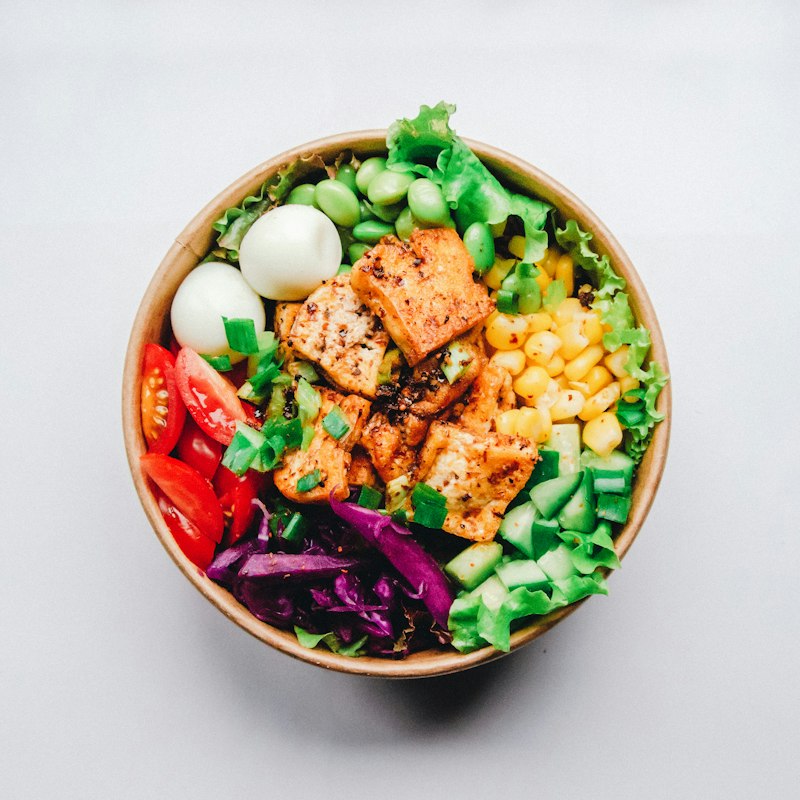
The obvious consensus: America has discovered protein. Every product category now has a high-protein variant. Cottage cheese flatbread. Protein ice cream that sells out in minutes. Meal plans built around hitting daily protein targets. We're optimizing our plates like we're training for the Olympics, even if we're just commuting to the office.
This shift feels like progress. After decades of fat-phobia and carb-confusion, we've landed on something concrete to chase. Protein is measurable, muscular, and makes intuitive sense. More protein equals more muscle, more satiety, more control. The food industry has responded accordingly, turning protein into the nutrient of our era.
But here's what this trend breaks: our ability to think about food as anything other than a delivery system for isolated nutrients.
The protein fixation isn't really about protein. It's the latest chapter in a longer story about reductionist nutrition, where we identify one magical component, optimize for it obsessively, and assume everything else follows. We did this with fiber in the 2000s. We did this with omega-3s. We're doing it now with protein, and the framework is the same: reduce food to its component parts, measure those parts, and engineer everything around winning that metric.
What gets lost in this approach is texture, satiety from whole foods, the behavioral aspects of eating, and honestly, the pleasure of meals that aren't optimized. When we're scanning labels for grams of protein, we're not asking whether we're actually enjoying what we eat. We're not considering whether a food that hits our protein target but tastes like athletic equipment is actually serving us well.
The deeper problem: this mindset trains us to be passive consumers of what the food industry decides to engineer rather than active eaters who understand real food.
If your meal plan is built around hitting a protein number, you're outsourcing the thinking to whoever designed that plan. You're trusting that optimizing for one variable will somehow optimize for everything else. History suggests otherwise. The low-fat boom gave us products packed with added sugar. The high-fiber movement gave us products that did technically deliver fiber while stripping out everything that made food actually nourishing.
We're already seeing cracks in the protein story. The rumored new protein options sound appealing until you actually think through what you're eating. A cottage cheese flatbread is clever engineering, but is it a meal? Or is it a snack designed to trigger another purchase? A protein ice cream that people camp in line for suggests we've somehow decided that dessert optimization is a reasonable use of our attention.
Here's what should concern us: we're teaching ourselves that nutrition happens in a lab, not in kitchens. We're normalizing the idea that food companies should be solving our nutritional problems rather than, say, having time and knowledge to feed ourselves well.
The better question isn't whether protein is important. It obviously is. The better question is whether optimizing for one nutrient while outsourcing all other decisions to food manufacturers actually makes us healthier, or whether it just makes us easier to market to.
We could have learned something else from the protein trend. We could have used it as a moment to think more holistically about what food we need, how to prepare it, and why we eat it. Instead, we've built an entire marketing ecosystem around a single number.
That's not nutrition. That's just measurement dressed up as progress.