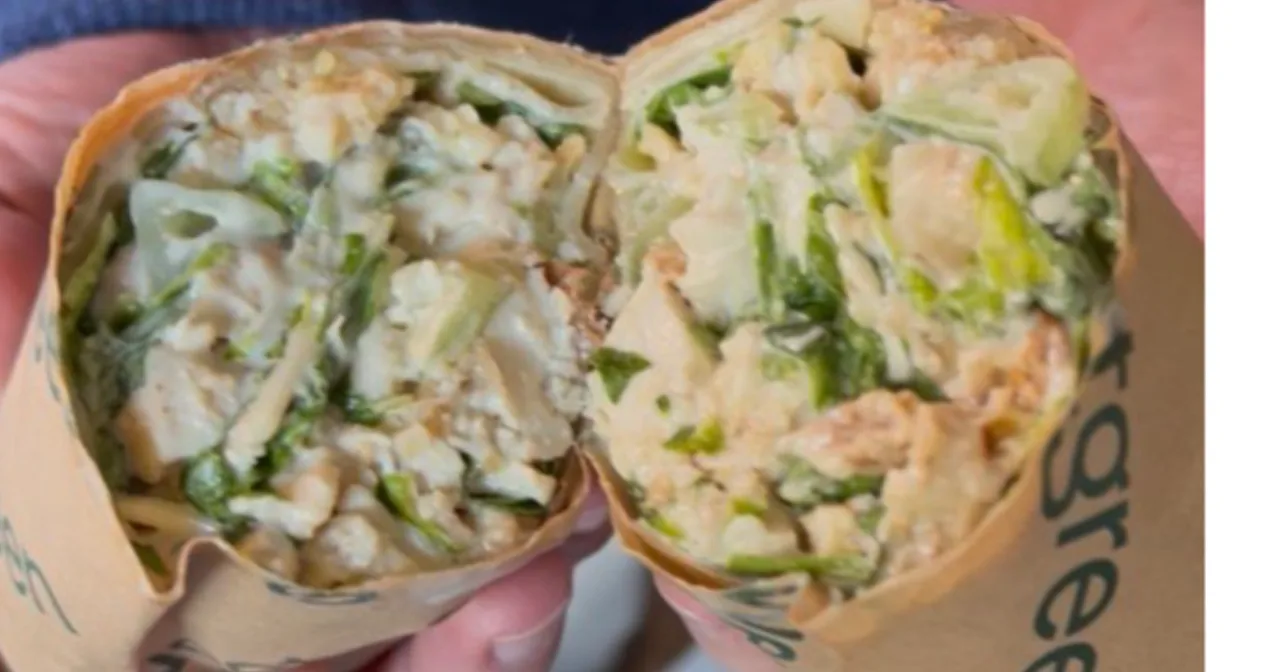
Sweetgreen is testing a new pricing strategy this month, a move that signals the fast-casual salad chain recognizes a critical problem: customers no longer believe they get their money's worth.
Zipporah Allen, chief commercial officer, confirmed the chain will roll out a revised pricing architecture in select locations. The test addresses what has become Sweetgreen's most pressing challenge in an increasingly competitive fast-casual market. As inflation pressures consumers and rivals like Cava and Chipotle offer similar quality at lower price points, Sweetgreen's premium positioning has become harder to justify.
The chain built its reputation on fresh, locally sourced ingredients and customizable bowls. That quality comes at a cost. But perception of value differs sharply from actual cost. Sweetgreen's average entree prices have climbed steadily, pushing some customers toward competitors or back to their own kitchens.
The timing matters. Fast-casual chains face unusual headwinds. Consumer spending on restaurant meals has softened. Fast food has aggressively cut prices to capture traffic. Meanwhile, Sweetgreen operates in a saturated market where location matters intensely. A bowl that costs $14 in Manhattan may feel reasonable; the same bowl in Denver sparks sticker shock.
The test will reveal whether lower prices drive meaningful volume gains or simply compress margins. Sweetgreen's unit economics depend on high ticket averages and strong traffic conversion. Reducing prices without increasing order volume simply erodes profitability.
What remains unclear is whether the chain will pursue across-the-board price cuts or restructure its menu to offer lower-priced entry points while maintaining premium options. The latter strategy, used by McDonald's and Chipotle with success, allows chains to capture price-conscious customers without alienating those willing to spend more.
Sweetgreen's outcome will determine whether value perception is truly about price or about customer education