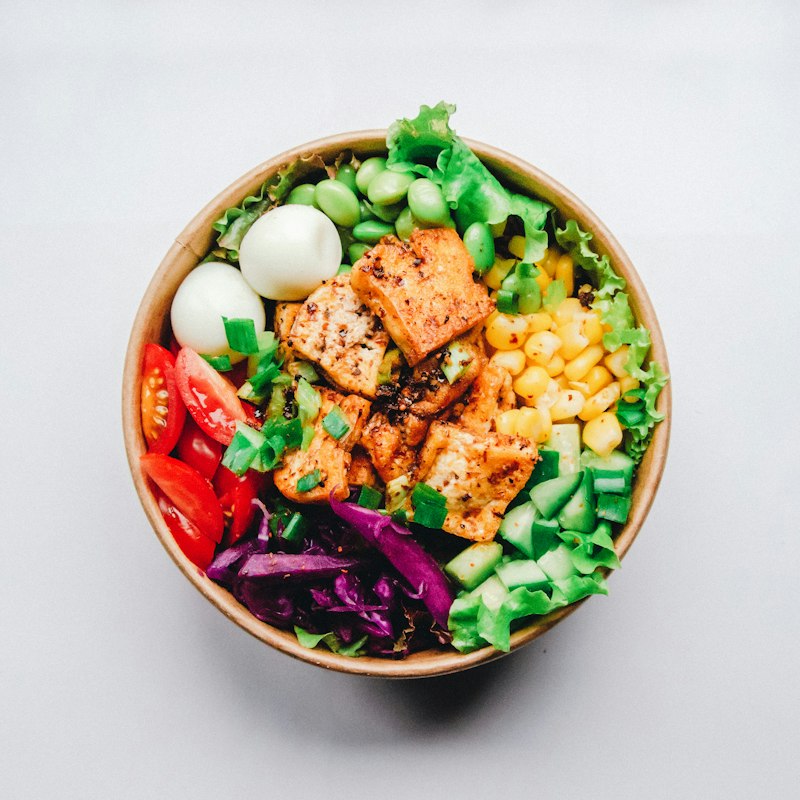
Walk into a casual dining restaurant these days and you'll find yourself drowning in nutritional theater. Every menu item comes with a parenthetical promise about protein content. Chicken bowls boast their gram counts. Burgers advertise comparative advantages over competitors. Even pasta dishes get defensive about their amino acid profiles.
This is analysis, not reporting: The industry is solving the wrong problem.
Restaurants have become so fixated on quantifying and promoting protein that they've lost sight of what actually matters to most customers: Does this food taste good? Is it reasonably priced? Can I understand what I'm ordering without needing a biochemistry degree?
The trend isn't hard to trace. Fitness culture merged with wellness marketing, creating an unstoppable force of dietary anxiety. Operators saw an opportunity and seized it. If customers care about protein, they reasoned, let's make sure they know we have it. Thus began the arms race of nutritional one-upmanship, each establishment trying to outbid the last on macronutrient claims.
But here's what actually happens: The menu becomes cluttered. The customer experience suffers. And worst of all, restaurants start making questionable culinary decisions in pursuit of protein metrics rather than flavor.
The operators who will win long-term aren't the ones adding another layer of hype to their marketing. They're the ones simplifying the mess. They're removing the nutritional theater and focusing on something radical: good food that happens to be reasonably nutritious.
Consider what a simplified approach looks like. A restaurant builds a menu around whole ingredients. Proteins are prominent and prepared well because that makes sense, not because it generates marketing copy. If someone wants to know nutritional information, it's available through a QR code or a basic nutrition guide, not screaming from every line item.
This approach actually serves customers better. The person who needs high protein intake can see the options clearly without noise. The person who just wants lunch doesn't feel judged for ordering what appeals to them. Everyone wins.
The broader industry trend toward nutritional transparency isn't wrong. Customers deserve information. But there's a difference between providing clarity and creating confusion through endless comparative claims. When every menu item is positioned as a nutrition solution, none of them stand out. The signal becomes noise.
We're also ignoring something obvious: most casual restaurant customers aren't optimizing their macronutrient ratios with surgical precision. They're hungry. They want something that tastes good and doesn't break the bank. Adding protein counts to every description doesn't change that reality. It just makes the menu harder to navigate.
The restaurants making smart moves are the ones betting that quality will outlast hype. They're investing in ingredient sourcing, training kitchen staff, and creating genuinely appealing dishes. If those dishes happen to be high in protein, fine. That becomes a natural benefit, not a marketing campaign.
This isn't an argument against nutrition. It's an argument against using nutrition as a substitute for good business fundamentals. You can't protein-market your way past mediocre food or poor service. You can't make a confusing operation clear by adding another data point to the menu.
The next era of restaurant success belongs to operators willing to do something counterintuitive: step back from the noise. Build menus that are simple, delicious, and honest about what they offer. Make nutrition information available for those who want it. Trust that good food will find its audience.
The protein obsession will fade eventually. Trends always do. The winners won't be the ones who added the most hype to their nutritional claims. They'll be the ones who had the confidence to simplify.