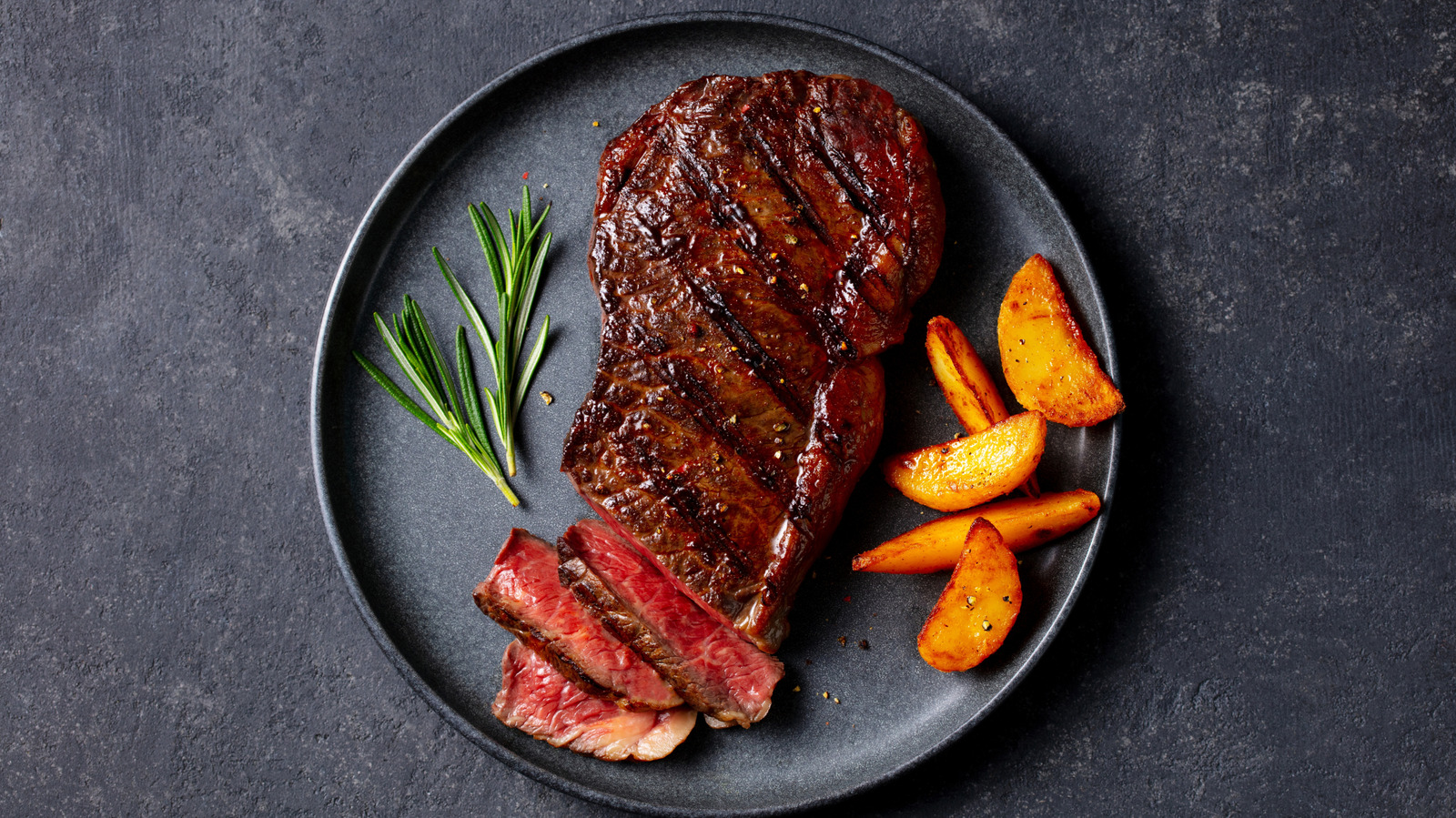
Steak dominates the protein conversation, but three meats pack more punch per serving. Chicken breast leads the pack, delivering roughly 31 grams of protein per 100 grams, compared to steak's 25 to 27 grams. The lean cut's lower fat content makes it a staple for athletes and fitness enthusiasts building muscle without excess calories.
Turkey breast follows closely, offering around 29 grams of protein per 100 grams. Like chicken, turkey provides a versatile canvas for cooking. Ground turkey has become a popular substitute in dishes traditionally made with beef, from tacos to burgers, allowing home cooks to reduce fat intake while maintaining protein density.
Fish, particularly lean varieties like cod and tilapia, rounds out the trio. These white fish deliver 20 to 25 grams of protein per 100 grams while providing heart-healthy omega-3 fatty acids that beef lacks. The combination of protein and anti-inflammatory compounds makes fish particularly valuable for those prioritizing cardiovascular health alongside muscle development.
The protein-per-calorie ratio differs across these options. Chicken breast contains roughly 165 calories per 100 grams, while steak ranges from 250 to 280 calories depending on cut and marbling. This distinction matters for people counting macros or managing weight while maintaining protein intake.
Consumer interest in protein optimization reflects broader dietary shifts. High-protein diets remain popular for weight management and athletic performance, pushing restaurants and food manufacturers to highlight protein content on menus and packaging. The trend has driven innovation in prepared meals, protein snacks, and plant-based alternatives claiming comparable protein levels.
These meats share accessibility. Chicken and turkey remain affordable across most markets, while fish prices vary seasonally. Steak's premium positioning in restaurants and retail settings hasn't diminished demand, but the protein