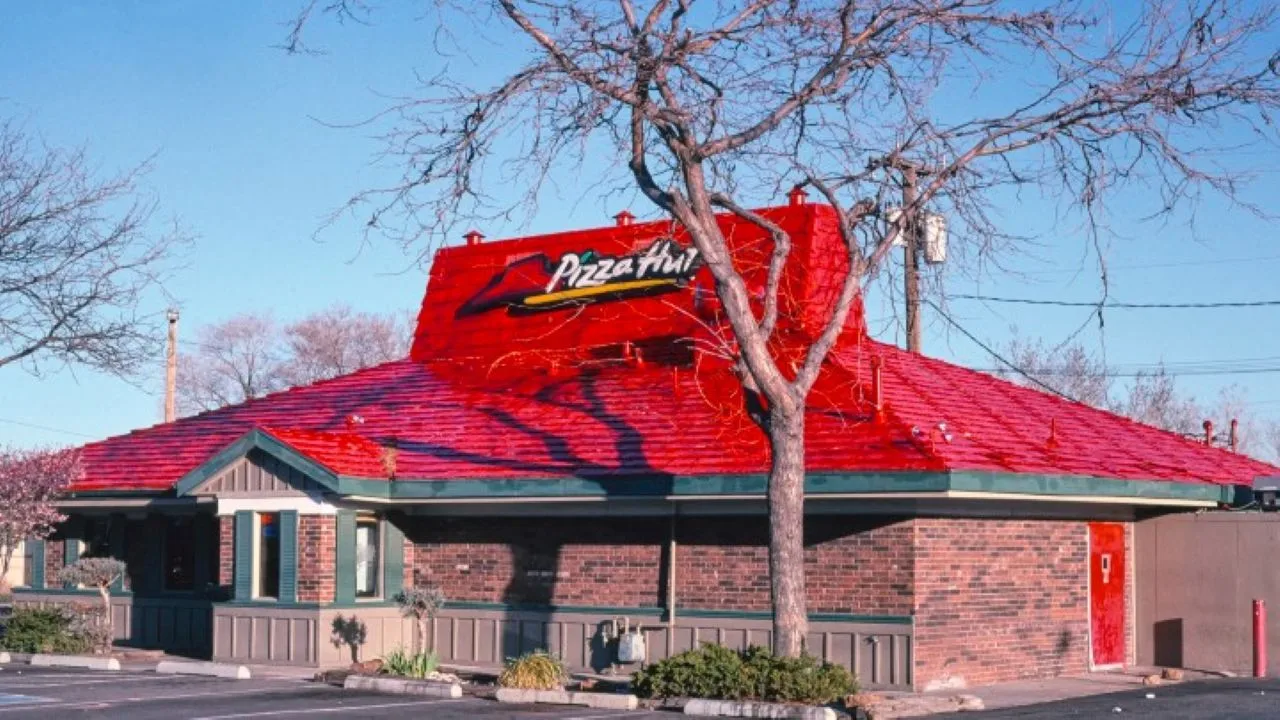
Pizza Hut's nostalgia strategy reaches 155 U.S. locations with a deliberate return to the brand's 1970s and 1980s Red Roof aesthetic. These reimagined restaurants feature Tiffany-style lamps, full salad bars, and vintage arcade games that recall the pizza chain's heyday as a casual dining destination.
The move represents a calculated pivot away from Pizza Hut's recent emphasis on delivery and ghost kitchens. By resurrecting the Red Roof concept, the chain targets customers who remember the original dine-in experience alongside younger diners drawn to retro interiors. The salad bar component specifically addresses a dining format that dominated casual restaurants decades ago but has largely disappeared from modern quick-service chains.
Pizza Hut's parent company, Restaurant Brands International, previously tested nostalgia-driven redesigns with other banners in its portfolio. The Red Roof revival taps into broader industry trends: Applebee's invested in neighborhood bar aesthetics, while regional players like Buffalo Wild Wings emphasized social gathering spaces with entertainment options.
The arcade games serve dual purposes. They create Instagram-worthy moments for social media sharing while extending customer dwell time, increasing per-visit spending on food and beverages. Tiffany lamps deliver visual warmth that modern minimalist designs lack, directly countering the sterile feel of delivery-optimized locations.
This localized approach allows Pizza Hut franchise operators flexibility in market adoption. Markets with stronger nostalgia appeal and demographics skewing older see greater rollout. Urban areas with retro-focused neighborhoods like Portland and Brooklyn naturally gravitated toward the concept first.
The strategy carries risks. Heavy renovation costs burden franchisees already struggling with labor expenses and ingredient inflation. Salad bars require dedicated labor for maintenance and restocking, cutting into slim pizza margins. The aesthetic also risks