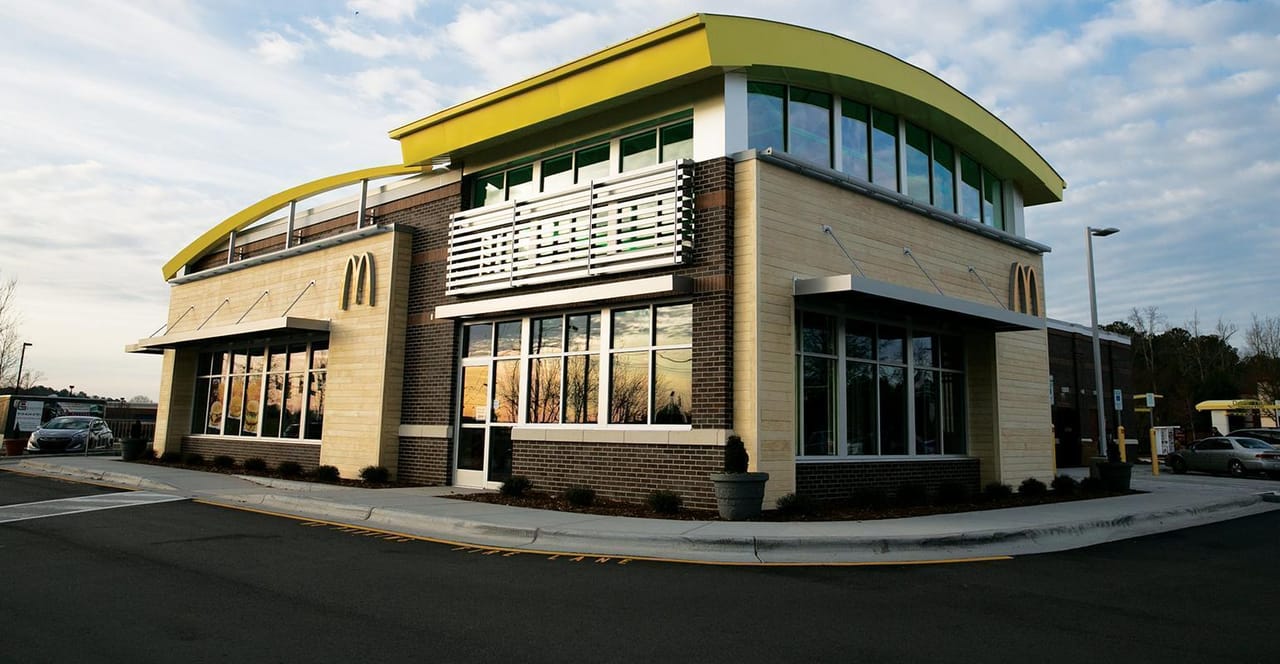
McDonald's publicly acknowledged it cannot reach its 2030 greenhouse gas emissions reduction targets, falling short of commitments made years earlier. The chain also missed packaging sustainability goals tied to the same timeline.
The company attributed the shortfalls to events beyond its control, including supply chain disruptions and unforeseen market conditions. Despite missing near-term benchmarks, McDonald's stated it remains committed to its longer-term environmental objectives and continues pursuing emissions reductions across its sprawling global operations.
The announcement marks a significant stumble for one of the world's largest restaurant operators, which built sustainability messaging into its corporate brand. McDonald's operates roughly 40,000 locations worldwide and faces enormous complexity in coordinating emissions reductions across franchised restaurants, suppliers, and logistics networks. Changing practices at that scale requires coordinating thousands of independent franchise owners, many of whom operate on thin margins.
Packaging represented another pressure point. The chain had targeted specific reductions in single-use materials and increases in recycled content, but supply constraints and manufacturing realities prevented full execution. The fast-food industry wrestles constantly with balancing convenience, food safety, and environmental responsibility. Paper-based alternatives, though better for landfills, sometimes compromise product integrity or require customers to change behavior.
McDonald's joins other major corporations in revising climate commitments downward. Energy costs, raw material expenses, and the complexity of implementing changes across franchised systems create genuine obstacles. The company's willingness to adjust targets rather than simply ignore them suggests some accountability remains, though skeptics question whether revised goals hold less ambition.
The fast-food sector faces mounting pressure from consumers, investors, and regulators on environmental impact. McDonald's stumble gives competitors an opening to differentiate on sustainability, though most major chains face similar structural challenges. How McDonald's recalibrates its targets and executes new plans will shape industry expectations for years.