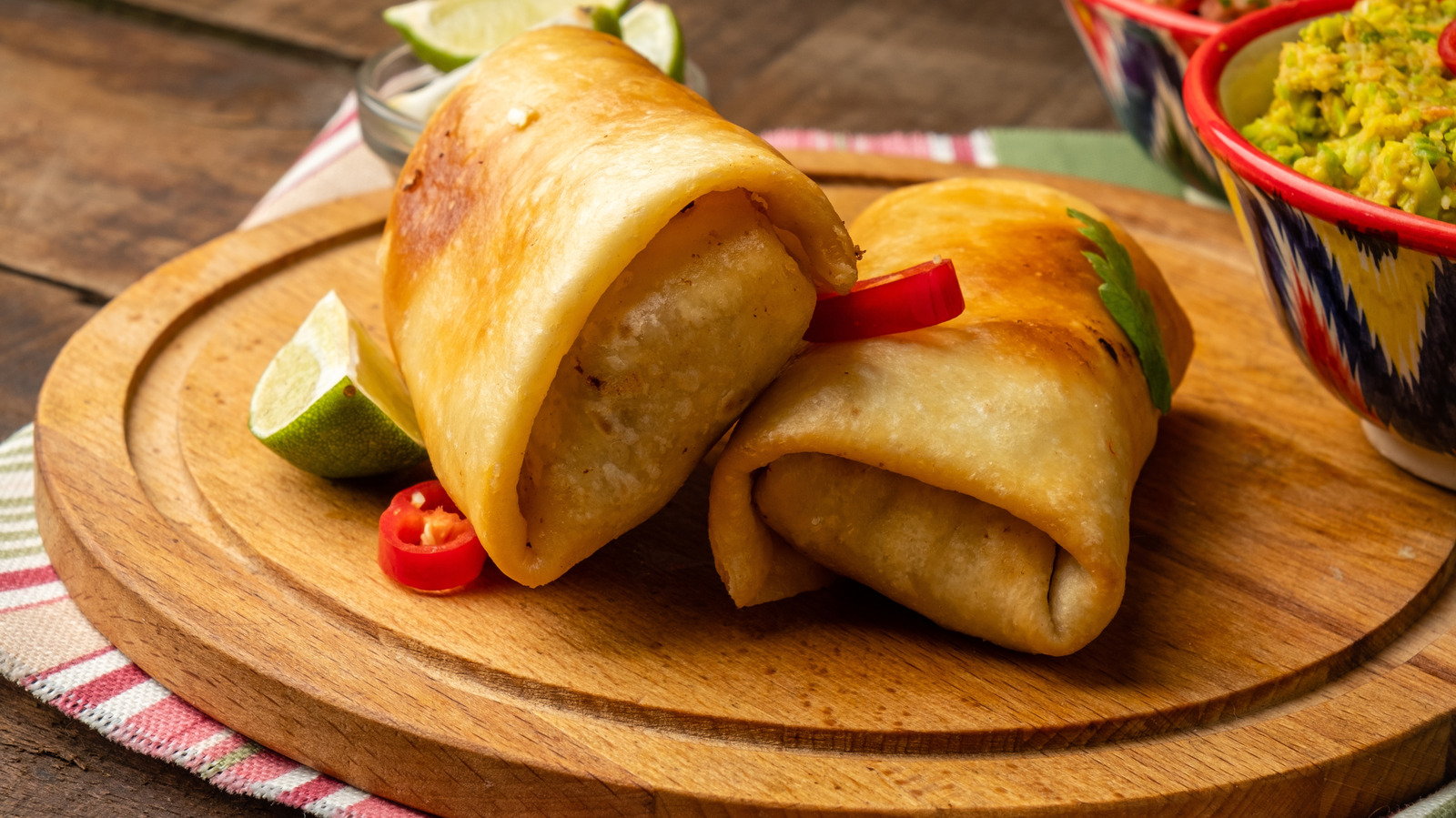
The chimichanga, that crispy, fried burrito staple found in Mexican-American restaurants across the United States, carries a history as layered and disputed as the dish itself. No single origin story commands universal agreement among food historians and culinary experts.
The most popular origin narrative credits Augusto "Woody" Fierro at El Paisano restaurant in Tucson, Arizona, during the 1950s. According to this version, Fierro accidentally dropped a burrito into hot oil and, upon seeing it fry, exclaimed a Spanish expletive. His restaurant began serving this accident as a menu item, and the name stuck. However, this account remains unverified and challenged by other claimants.
Alternative stories place the chimichanga's invention in different Arizona locations and time periods. Some food historians point to other Tucson restaurants, while Mexican culinary traditions suggest the dish evolved from earlier regional preparations rather than springing from a single moment of culinary inspiration.
The word itself likely derives from Mexican Spanish slang, though etymologists disagree on the precise origin of the term. Some trace it to "chamba," meaning job or work, while others suggest connections to other Spanish expressions. This linguistic ambiguity mirrors the dish's contested history.
What remains clear is that chimichangas emerged from the Mexican-American food culture of the Southwest, particularly Arizona, during the mid-twentieth century. The dish represents fusion cuisine in its purest form, combining Mexican ingredients and techniques with American frying methods to create something distinctly borderland.
The chimichanga's complicated origins reflect broader questions about food attribution and cultural ownership. As this dish spread beyond Arizona to become a staple of Tex-Mex cuisine nationwide, its true creator remains impossible to definitively identify. The dish thrives today not because of clarity about its past, but despite the mystery surrounding it.