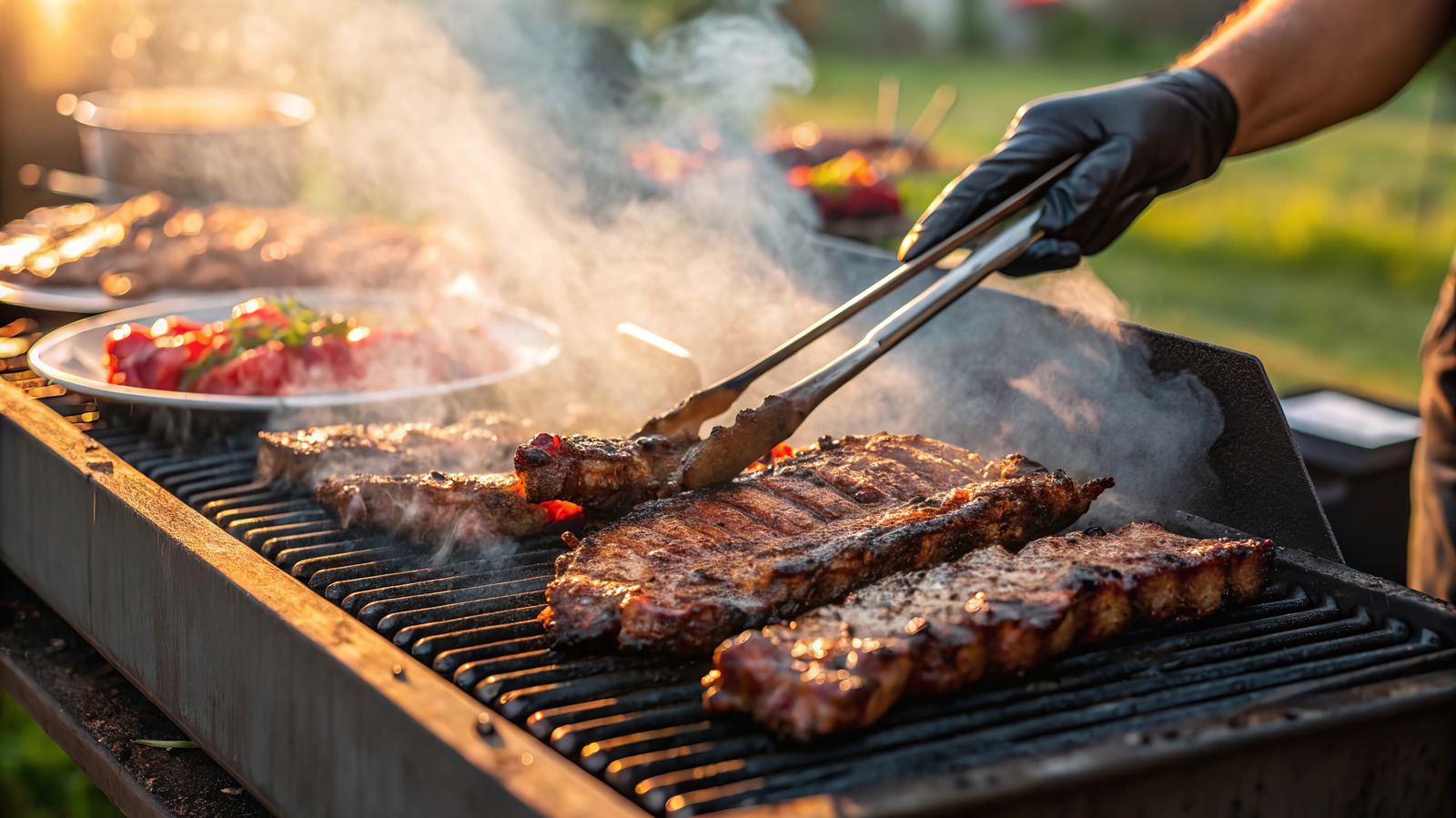
A rusted grill means wasted money and compromised food safety. The right cover material makes the difference between a grill that lasts years and one that deteriorates within a season.
Polyester covers offer solid protection at an affordable price point. They resist water and UV rays, keeping moisture and sun damage at bay. Canvas covers provide heavier-duty defense for serious grillers who invest in premium equipment. Canvas breathes better than synthetic materials, reducing condensation buildup that accelerates rust formation underneath.
Vinyl covers deliver maximum waterproofing but trap moisture more easily than canvas or polyester. This creates a humid microclimate ideal for rust development. Vinyl works best in dry climates where condensation buildup stays minimal.
Neoprene covers rank among the strongest options available. This rubber-based material resists tears and punctures while blocking water completely. Neoprene handles harsh weather better than lighter fabrics, though it costs more upfront.
Material thickness matters as much as composition. Covers measuring 300-500 denier (the measurement of fiber weight) provide adequate protection for moderate climates. Areas with heavy rain, salt spray, or extreme temperature swings demand covers rated 600+ denier for reliable rust prevention.
Fit determines how well any cover actually protects your grill. Loose covers allow wind to drive rain underneath. Custom-fitted covers with elastic hems and straps keep moisture out. Vented covers let condensation escape rather than pooling on your grill's surface.
Location influences which material works best. Coastal regions need salt-resistant covers that repel corrosive spray. Humid climates benefit from breathable canvas that prevents moisture trapping. Desert areas see less rust risk overall, so lighter polyester covers suffice.
Regular maintenance extends any cover's lifespan. Clean covers monthly to prevent algae and