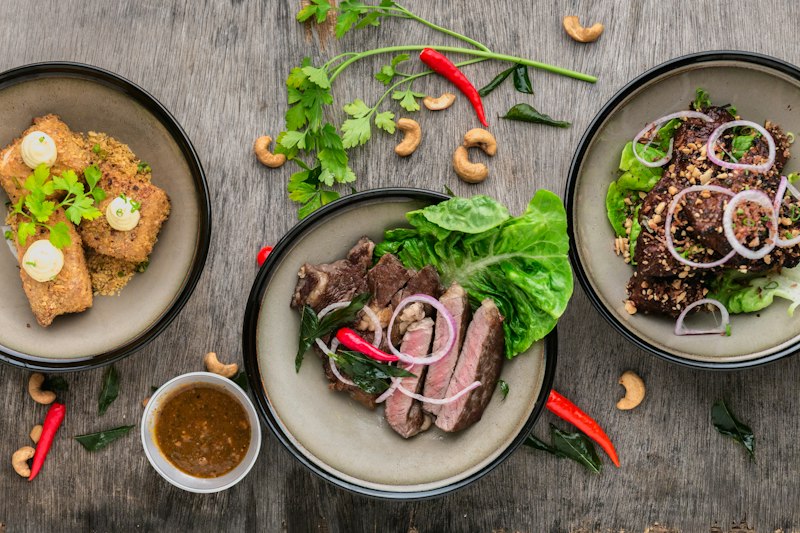
A New York Times Top 100 chef has identified hanger steak as the ribeye alternative home cooks should know about. The cut delivers comparable tenderness and flavor at a fraction of the price, making it an obvious choice for budget-conscious diners who refuse to sacrifice quality.
Hanger steak comes from the diaphragm muscle of the cow, a relatively underused area that produces beef with deep flavor and a tender texture when cooked properly. Unlike ribeye's marbling of intramuscular fat, hanger steak relies on its lean structure and connective tissue composition to achieve tenderness. The muscle's constant movement during the animal's life creates meat with pronounced beefy character.
The cut has gained traction in professional kitchens over the past decade as chefs rediscovered forgotten beef muscles. Butchers long favored hanger steak for their own meals while selling premium cuts to restaurants. Home cooks largely ignored it until recently, when price pressures and sustainability concerns pushed diners toward less conventional proteins.
Pricing tells the story. Ribeye typically costs two to three times more per pound than hanger steak at most butcher counters and supermarkets. A hanger steak that weighs 1.5 to 2 pounds can feed four people and runs $15 to $25 total, compared to $40 to $60 for a comparable ribeye purchase.
The chef recommends a simple marinade to amplify the cut's natural savory notes. Oil, acid, garlic, and herbs form the base. This approach develops additional complexity without masking the steak's inherent beef character. A 30-minute soak suffices before grilling or pan-searing at high heat.
One critical detail separates success from disappointment. Slicing hanger steak against the grain is non-negotiable