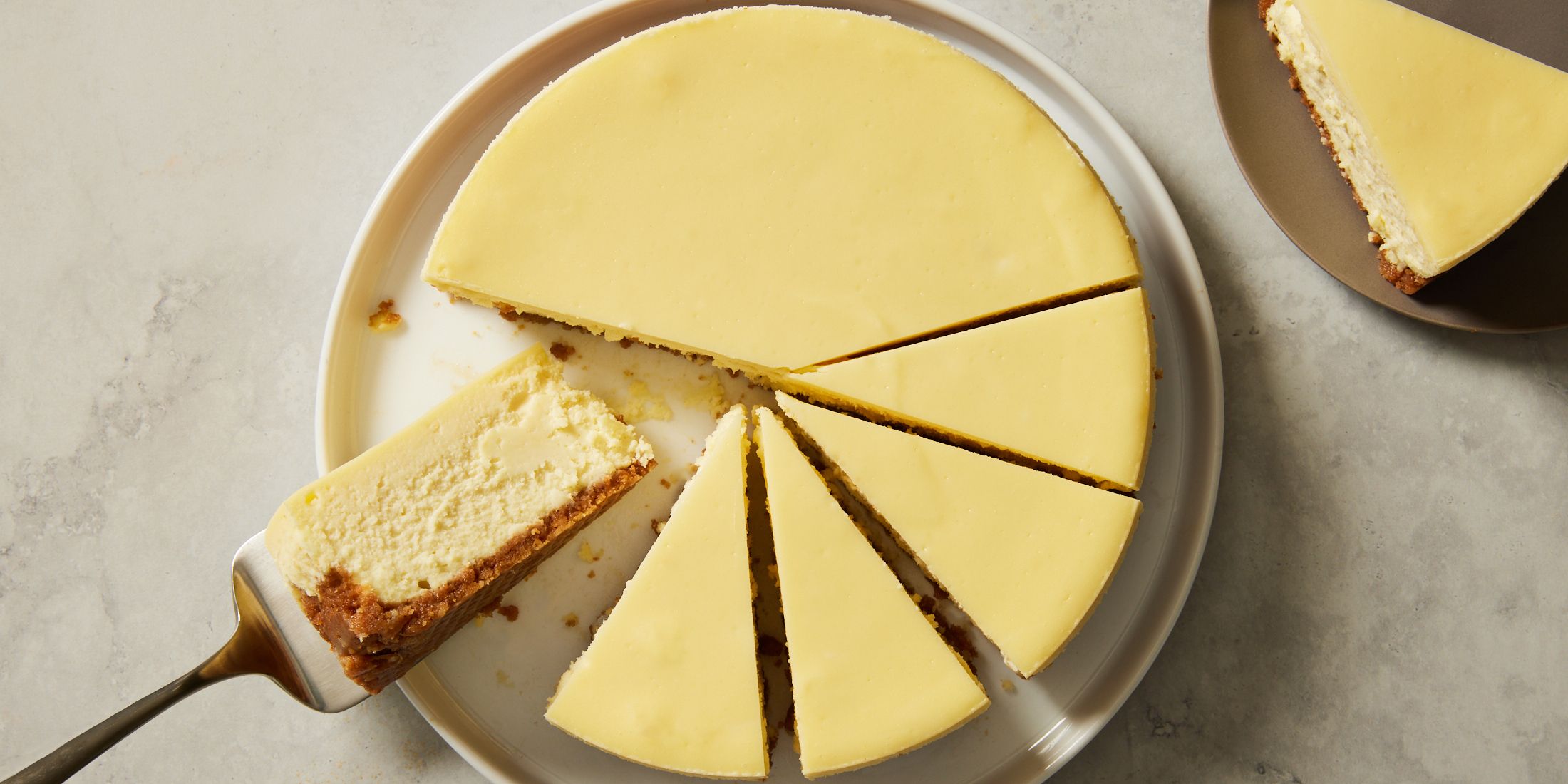
# Professional Baker Shares Solutions for Cracked Cheesecake Disaster
A professional baker who bakes for a living has revealed practical strategies for rescuing one of dessert's most temperamental creations. Cheesecake cracks stem from rapid temperature changes and overbaking, two problems that derail even experienced pastry cooks.
The baker emphasizes prevention first. Bringing cream cheese, eggs, and sour cream to room temperature before mixing ensures smooth batter without lumps that create stress points during baking. Water baths remain non-negotiable. Wrapping the pan's exterior in foil and setting it in a larger pan filled with hot water regulates oven temperature and prevents the edges from setting faster than the center, which causes cracks to form.
Baking time matters enormously. The cheesecake should jiggle slightly when gently shaken, not wobble across the pan. Overdone cheesecakes crack because the filling contracts too much as it cools. The baker removes cheesecakes from the oven before they fully set, allowing residual heat to finish cooking them gently.
Cooling strategy proves equally critical. Abrupt temperature drops trigger cracks. Turning off the oven and cracking the door open allows the cheesecake to cool gradually inside. After 30 minutes, removing it completely to room temperature prevents the shock that develops from direct air exposure.
For already-cracked cheesecakes, the baker suggests covering flaws with toppings. Sour cream swirls, fruit compotes, chocolate ganache, or caramel sauce strategically mask imperfections while adding flavor. Whipped cream and fresh berries work equally well. Some bakers dust the surface with powdered sugar or cocoa powder for a professional finish.
The psychology of perfection matters less than taste