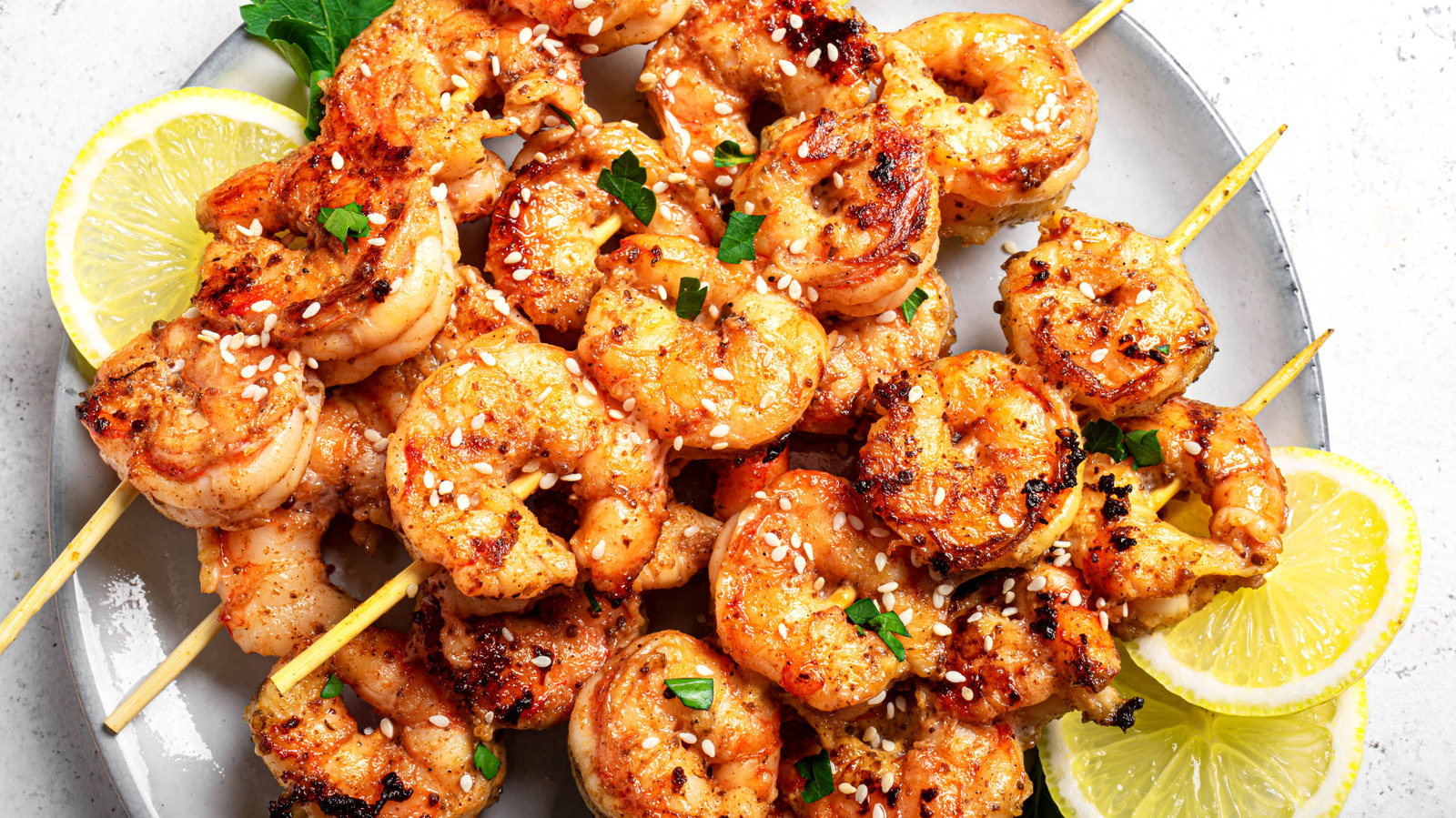
Shrimp demands precision. Cook it seconds too long and the meat turns rubbery. Undercook it and you risk foodborne illness. The difference between perfect and overcooked spans just a few minutes across any cooking method.
The most reliable test is visual. Properly cooked shrimp curl into a C or O shape and turn opaque pink or white throughout. Raw shrimp appears translucent and gray. The flesh should feel firm but not hard when pressed gently. If it feels mushy, the shrimp has spent too long in heat.
Temperature offers a second checkpoint. The USDA recommends shrimp reach an internal temperature of 145 degrees Fahrenheit. An instant-read thermometer inserted at the thickest part removes guesswork entirely, though few home cooks employ this method.
The cooking method determines timing. Pan-seared shrimp over medium-high heat takes two to three minutes per side for medium-sized specimens. Grilled shrimp on hot grates needs similar timing. Boiling produces faster results, roughly one to two minutes after the water returns to a rolling boil. Fried shrimp requires one and a half to two minutes at 350 degrees.
Size matters significantly. Jumbo shrimp measuring 16-20 per pound need longer than tiny shrimp counted at 61-70 per pound. Always cook shrimp of uniform size in a single batch to ensure even doneness.
The vein test, sometimes called the translucency check, also works. As shrimp cook, the opaque white protein center rises visibly. When this white line reaches the back of the shrimp, it is done.
Practice builds intuition quickly. After preparing shrimp a handful of times, cooks develop a feel for texture and appearance. The goal