Betty Crocker's first cake mix, launched in 1947, was gingerbread. Not vanilla. Not chocolate. The iconic brand that would eventually dominate American home baking chose a spiced, complex flavor for its debut into convenience cooking.
This choice reveals something vital about how the brand approached the market. Gingerbread required home bakers to add eggs, oil, and water, transforming the mix into something that felt homemade despite its boxed origins. The formula struck a balance. It offered genuine convenience without sacrificing the appearance of effort or skill.
The gingerbread mix arrived at a moment when American households were hungry for shortcuts. Post-war prosperity meant more women entering the workforce. Cake mixes promised to liberate them from hours spent creaming butter, measuring flour, and separating eggs. Yet these same women feared judgment if their desserts looked too obviously manufactured.
Betty Crocker understood this tension perfectly. By starting with gingerbread, a flavor associated with tradition and holiday baking, the brand positioned its mix as an aid to cooking rather than a replacement for it. Home bakers could claim the cake as their own creation while saving significant time and effort.
The strategy worked. Betty Crocker's success sparked a wave of competitors and eventually led to the product line expansion that defines the brand today. The plain vanilla box came later, once the market accepted convenience as standard practice.
That inaugural gingerbread cake mix sits at the intersection of postwar American life, gender roles, and food innovation. It wasn't designed to be basic. It was designed to be believable. The company knew that transforming American home cooking required more than just convenience. It required permission to believe that shortcuts could produce something worth serving to family and guests.
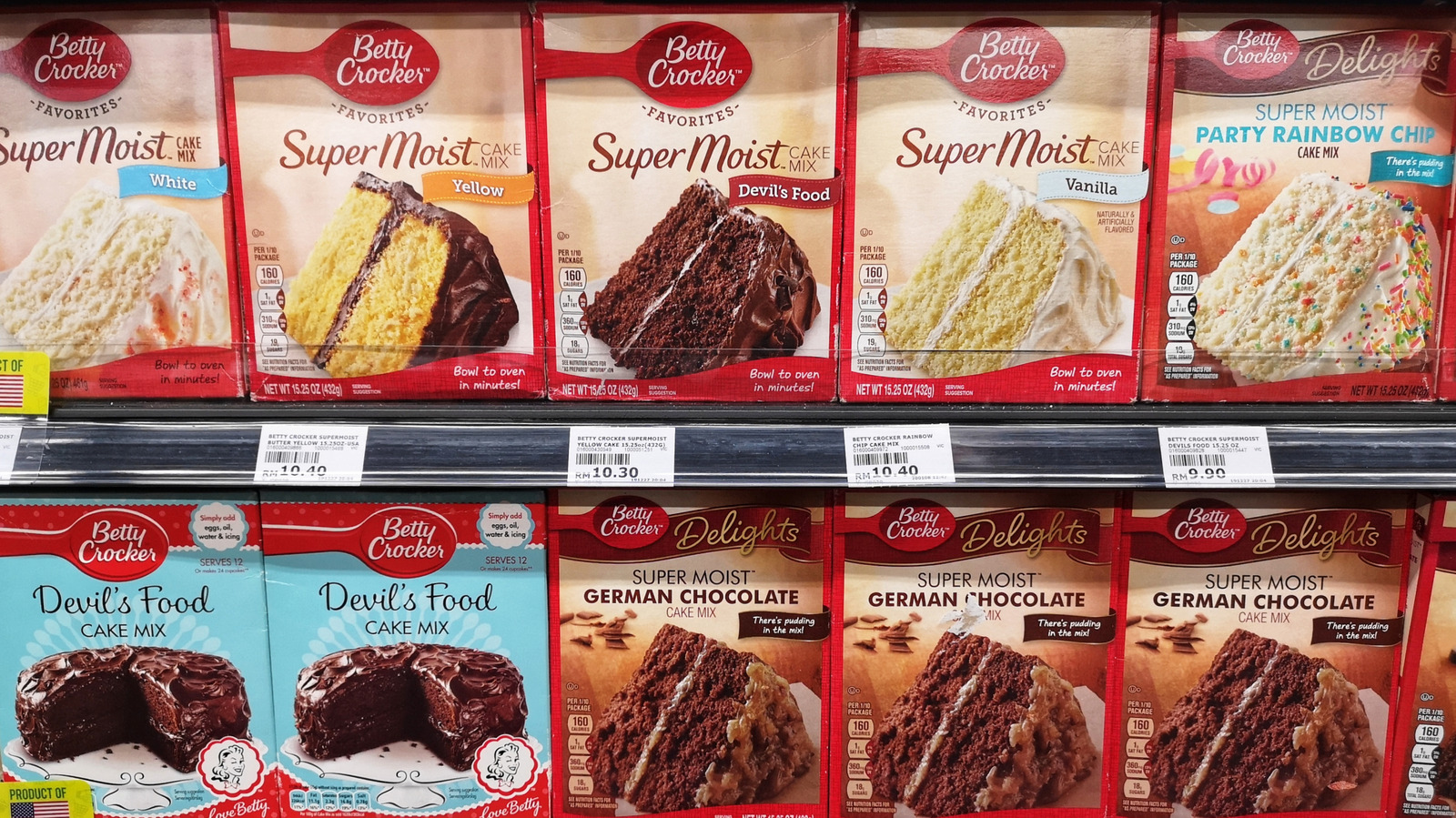
Today, Betty Crocker offers dozens of flavors. Yet that first gingerbread choice carries lessons about understanding what