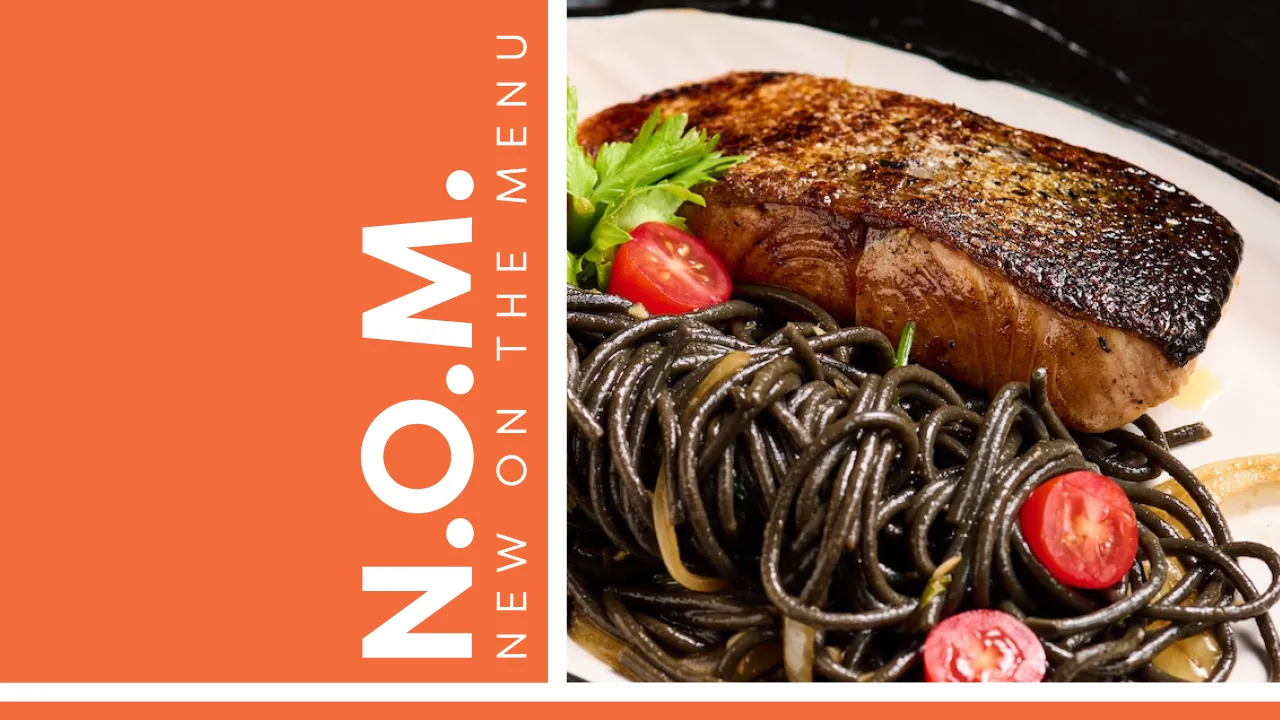
Restaurants across North America are embracing audacious fusion dishes that blend culinary traditions in unexpected ways. Thai-Japanese salmon represents a collision of two seafood-obsessed cuisines, pairing Japanese precision with Thai aromatics and heat. Indian-Mexican shawarma, meanwhile, takes the Levantine spiced meat sandwich and reimagines it through subcontinental spices and Latin American accents, challenging diners to rethink what this street food can become.
The trend extends beyond protein-centric plates. Chefs experiment with technique-driven appetizers like pea soup finished with leek foam, applying modernist methods to humble vegetables. Peach cocktails showcase seasonal produce in drinks menus, while premium cuts like Ibérico pork chops anchor dishes where single-ingredient excellence matters as much as technique.
This wave of menu innovation reflects broader restaurant strategy. Chefs leverage global ingredient access and diner familiarity with diverse cuisines to justify higher price points. Thai-Japanese salmon draws from both countries' premium fish traditions while creating something neither culture claims outright, positioning it as haute cuisine. Indian-Mexican shawarma appeals to diners seeking novelty without abandoning comfort, bridging cuisines that increasingly overlap in multicultural kitchens.
What separates these combinations from gimmickry is execution. When a chef understands both traditions, fusion becomes coherent rather than scattered. Thai basil and yuzu on salmon makes sense. Cumin and cilantro in a shawarma wrapper works. The leek foam, peach cocktail, and Ibérico pork all signal restaurants investing in quality across every component, not cutting corners elsewhere to fund one flashy dish.
This menu direction also reflects labor economics. Chefs capable of moving fluidly between cuisines command higher salaries and attract media attention. Fusion menus justify premium se