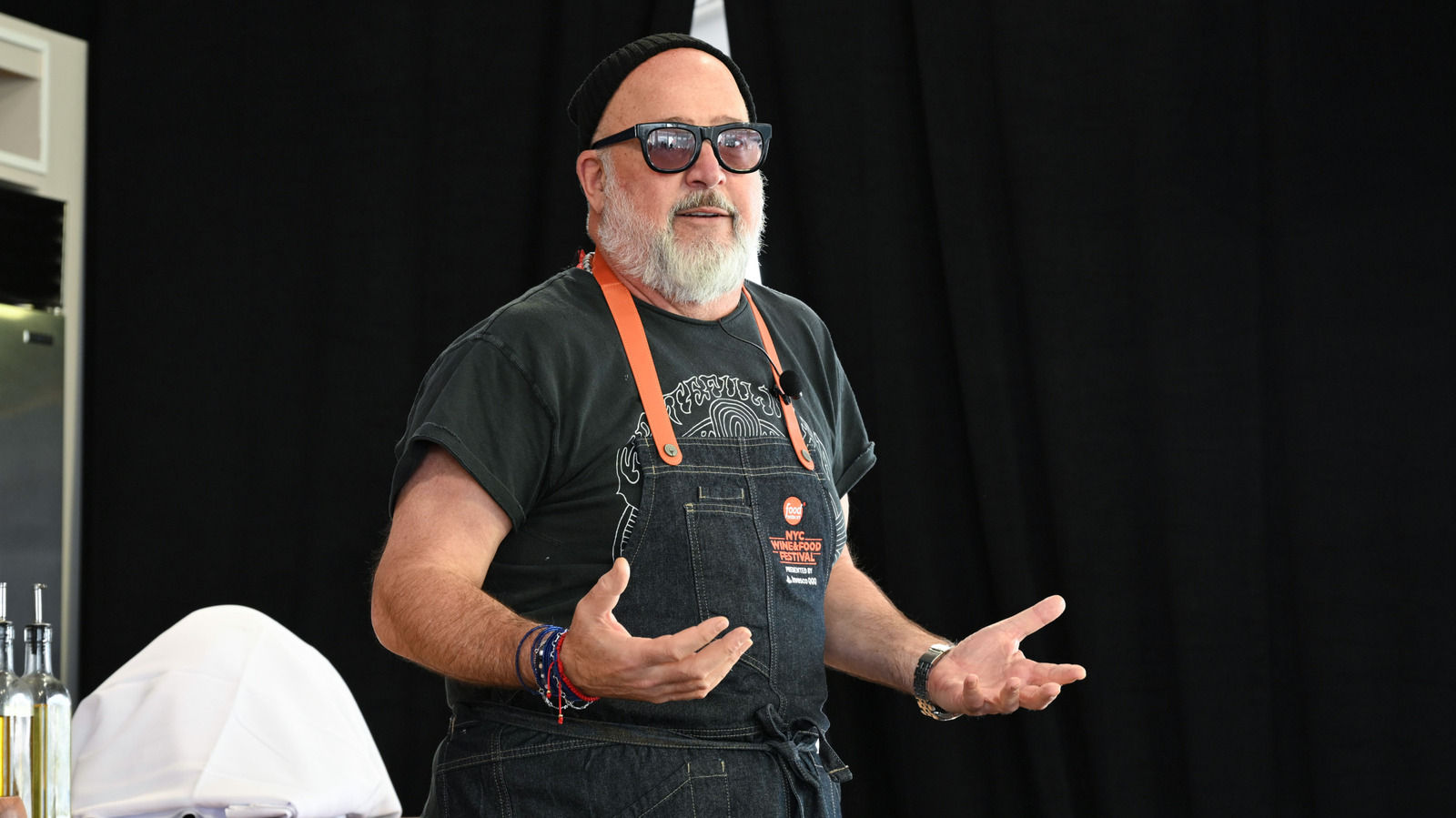
Andrew Zimmern, the adventurous food television personality and chef, has a gift for translating unfamiliar seafood flavors into relatable descriptions. In comparing a particular seafood to buttery lettuce, Zimmern employed the kind of sensory shorthand that helps viewers understand exotic ingredients before they ever taste them.
This approach reflects Zimmern's broader philosophy on food exploration. Rather than mystifying unusual proteins, he demystifies them. By anchoring unfamiliar seafood to everyday ingredients like lettuce and butter, he makes the adventurous seem accessible. The comparison suggests a delicate texture with richness—the crispness of greens paired with creamy fat. This method works because it acknowledges both the strangeness and the possibility of the dish simultaneously.
Zimmern built his career on this exact skill. Through shows like "Bizarre Foods," he has spent years eating everything from insects to organs to fermented preparations across the globe. His descriptions matter because they shape how audiences perceive dishes that challenge their preconceptions. A comparison to something as mundane as buttery lettuce can transform skepticism into curiosity.
The specific seafood remains unnamed in the available details, but the comparison itself reveals Zimmern's technique. He doesn't dismiss unfamiliar textures as "weird" or "strange." Instead, he finds the flavor bridge between the known and unknown. This strategy has made him influential in food media, expanding what viewers consider edible and worth trying.
For home cooks and adventurous eaters, Zimmern's descriptive approach offers practical value. Understanding that an unusual seafood tastes buttery and tender with a leafy crispness helps people decide whether it aligns with their palate. It removes some of the risk from food exploration.
This consistent use of familiar reference points explains why Zimmern remains a trusted guide through global cuisines and