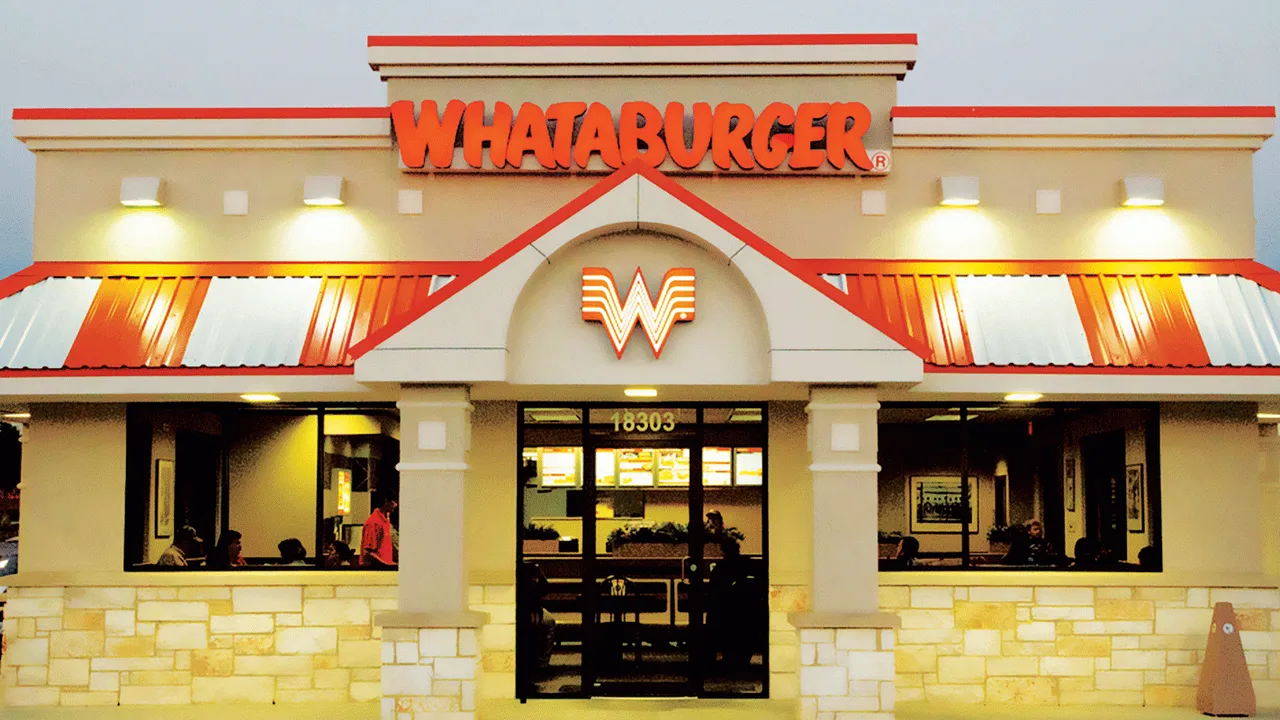
Whataburger CEO Debbie Stroud treats her 50,000-plus employees as family, and that philosophy shapes how the Texas burger chain operates and expands. Stroud outlined five concrete strategies for building a family-like culture that retention and productivity data suggest actually work.
First, leadership must stay visible and accessible. Stroud regularly visits restaurants and talks directly with crew members, not just managers. This hands-on approach lets workers feel heard and valued beyond their paychecks.
Second, invest in employee development from day one. Whataburger runs training programs that teach new hires not just how to flip burgers, but how to grow within the company. Career paths matter when you want people to stay.
Third, communicate the "why" behind decisions. When corporate makes changes, employees understand the reasoning. Transparency builds trust. Workers stop resenting policy shifts when they know the thinking behind them.
Fourth, celebrate wins together. Stroud emphasizes recognizing both individual achievements and team milestones. Shared success creates belonging. A crew that celebrates together stays together.
Fifth, listen more than you talk. Family members voice concerns. Whataburger built feedback channels that encourage employees to speak up about problems, from scheduling conflicts to safety issues. Acting on that feedback matters more than collecting it.
The strategy works at a scale that matters. Whataburger operates over 900 locations across 15 states. Turnover remains lower than industry averages, which means less money spent on constant hiring and training. That translates directly to better customer service. A crew that knows each other and feels secure performs better.
Stroud's approach challenges the fast-casual model built on disposable labor. Other chains treat restaurant work as temporary. Whataburger bets that stability, respect, and real advancement create competitive advantage. In a business where margins