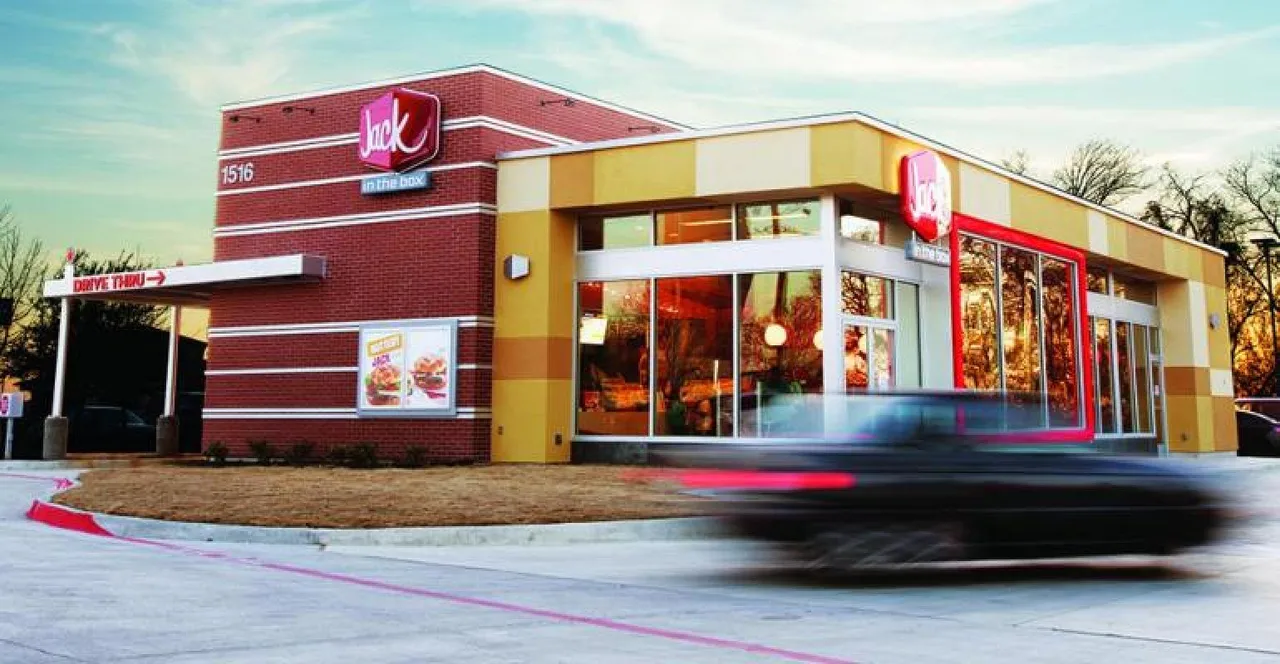
Jack in the Box removes its CEO as the quick-service chain grapples with operational struggles and flagging sales momentum. The leadership change signals the company's effort to stabilize a brand that has lost relevance with consumers amid intensifying competition in the value burger segment.
Papa Johns accelerates its retail expansion beyond pizza delivery. The chain now places branded products on grocery store shelves, diversifying revenue streams as it seeks growth beyond traditional restaurant channels. This move mirrors broader industry trends where established QSR brands leverage their name recognition to penetrate retail grocery.
The fast-food landscape enters 2025 with clear winners and losers. Winners capitalize on value positioning, digital ordering, and drive-thru optimization. Losers struggle with labor costs, supply chain inflation, and menu complexity. Regional chains with focused concepts outperform bloated national players unable to adapt quickly.
Naya, the emerging beverage brand, appointed Khalfani Coicou as head of R&D to drive product innovation. Coicou brings expertise in functional drinks and clean-label formulations. The hire reflects growing consumer demand for beverages with genuine health benefits rather than marketing-driven claims. Naya positions itself in the crowded functional drink space where hydration meets nutrition.
The broader pattern reshaping restaurant and food retail in 2025 centers on efficiency and authenticity. Chains that streamline menus, invest in technology, and maintain consistent execution capture market share. Those relying on nostalgia or complicated operations face margin pressure and customer defection.
The Jack in the Box leadership shift, Papa Johns retail strategy, and Naya's R&D investment reveal how established brands navigate a market demanding speed, transparency, and real value. Success requires decisive action, not incremental tweaks. The winners moving forward are those who commit fully to their positioning and execute relentlessly.