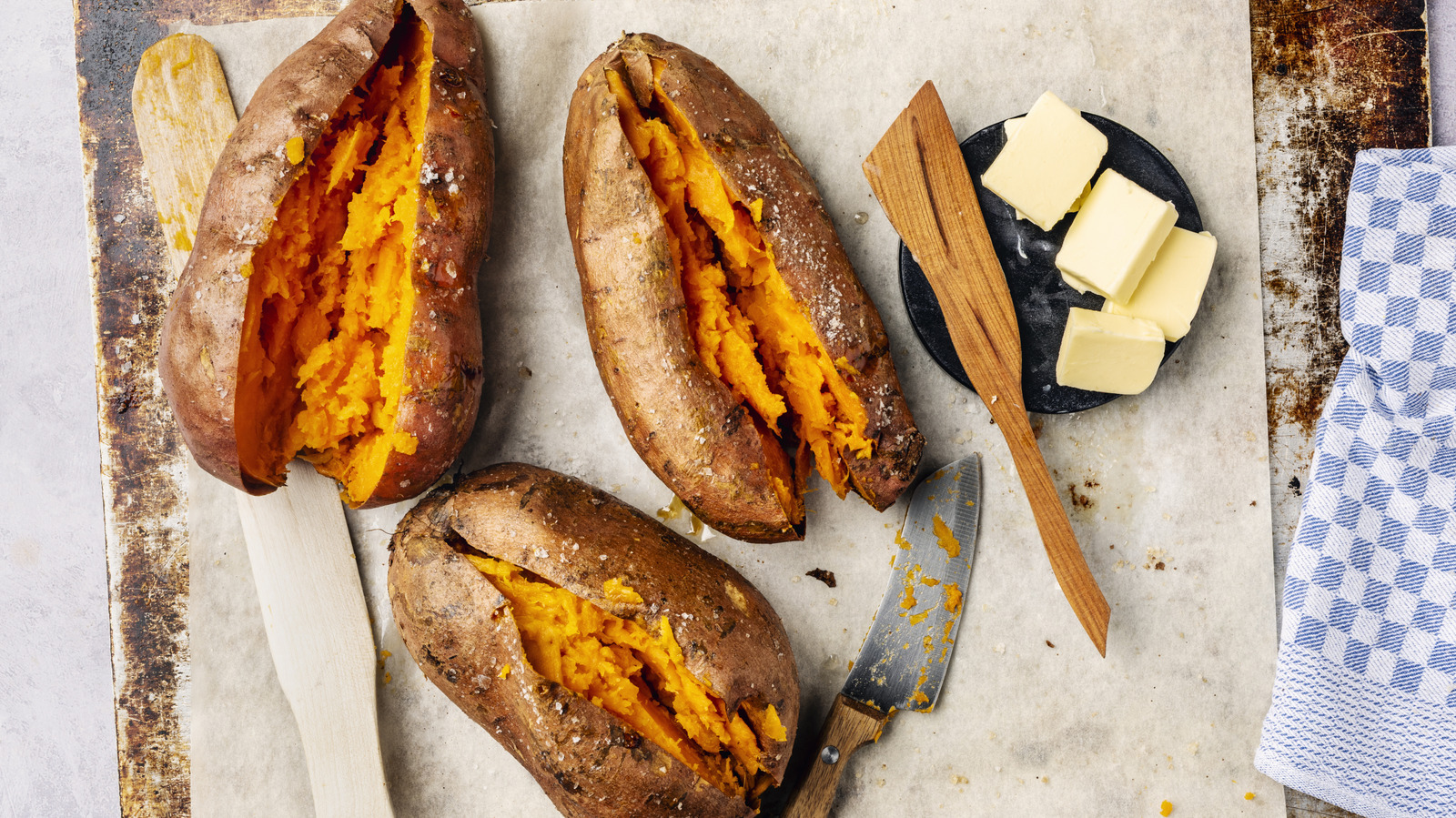
# Never Skip This Step For Perfectly Caramelized Sweet Potatoes
Caramelizing sweet potatoes requires one critical step that separates mediocre results from restaurant-quality sides. The secret lies in parboiling the potatoes before they hit the pan.
Parboiling sweetens the starches through partial cooking, then caramelization locks in those sugars with a golden crust. Without this initial boil, you risk serving mushy interiors with pale, uneven browning. The parboiling process takes roughly 10-15 minutes. Cut sweet potatoes into even pieces, then submerge them in salted boiling water until they yield slightly to a fork but remain firm enough to hold their shape.
Once parboiled, drain thoroughly and pat the potatoes dry. Moisture prevents browning, so this step determines success. Heat a cast-iron skillet or heavy-bottomed pan until it shimmers with butter or oil over medium-high heat. Working in batches prevents crowding, which steams rather than sears. Each piece needs direct contact with the hot surface.
The Maillard reaction creates the caramelized exterior, developing deep flavors that complement sweet potatoes' natural sugars. This browning typically takes four to six minutes per side, depending on your pan temperature and potato size.
Season aggressively during caramelization, not before parboiling. Salt draws out moisture during the initial cooking; adding it afterward prevents the potato surface from drying out before it browns. Black pepper, cinnamon, and nutmeg work beautifully. A pinch of cayenne adds subtle heat that amplifies the sweetness.
Restaurant kitchens have perfected this two-stage cooking method because it guarantees consistent results. Home cooks often skip parboiling, attempting to caramelize raw potatoes