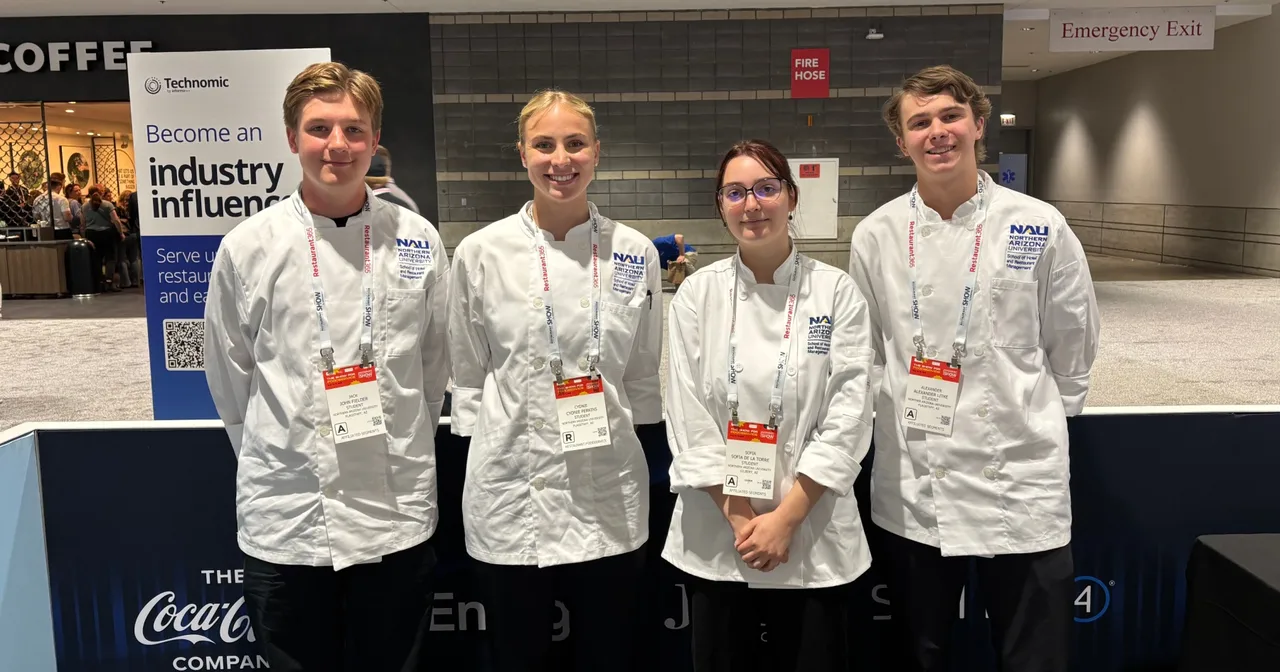
Northern Arizona University's culinary students are learning a hard lesson: artificial intelligence reshapes kitchens, but it cannot replace the human touch that defines great cooking.
The students acknowledge AI's practical value. Recipe development accelerates when algorithms suggest ingredient combinations and flavor pairings. Menu planning becomes faster when AI analyzes customer preferences and food costs simultaneously. Inventory management tightens when systems predict waste and optimize ordering. These applications save time and money, both critical in restaurant operations.
Yet the culinary students draw a firm line. They refuse to let algorithms dictate plating, seasoning, or the intuitive adjustments that separate competent cooking from artistry. One student noted that an AI system cannot taste a sauce to know when salt levels peak or sense when proteins reach perfect doneness. Another emphasized that understanding why a dish works matters more than following a formula.
The Northern Arizona program reflects broader industry tension. Restaurant operators increasingly deploy AI for scheduling, staffing, and demand forecasting. Food companies use machine learning to predict flavor trends and optimize recipes for mass production. Yet fine dining establishments, small farms, and independent chefs argue that excellence demands human judgment at crucial moments.
The students' stance mirrors what many professional chefs already practice. Thomas Keller at The French Laundry, Alice Waters at Chez Panisse, and countless restaurant owners built their reputations on decision-making that no algorithm can duplicate. These chefs taste constantly. They adjust based on seasonal ingredient variation. They trust their instincts when experiments fail.
Northern Arizona's culinary program appears to position AI as a tool for efficiency, not replacement for expertise. Students learn to use technology where it genuinely helps, then switch to traditional skills where they matter most. This pragmatic approach prepares graduates for kitchens where AI handles backend operations while chefs focus on creation and execution.
The next generation enters a profession where technology literacy