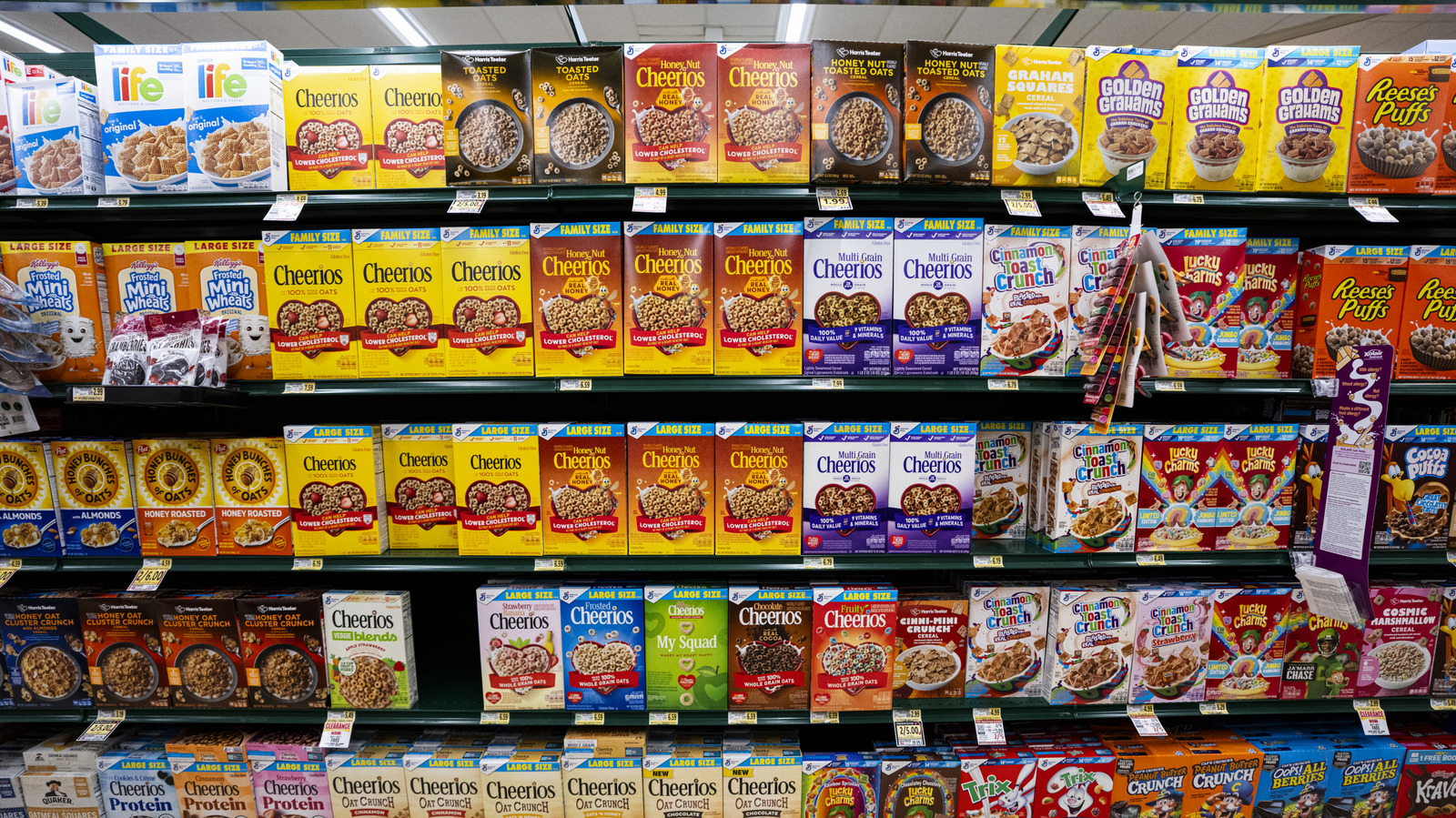
Breakfast cereal has become a case study in grocery inflation. Boxes that once cost a few dollars now regularly exceed $5, with premium brands pushing toward $7 or $8. This shift reflects broader pressures across the food industry, from ingredient costs to supply chain disruptions.
Grain prices have climbed steadily. Wheat and corn, the backbone of most cereals, faced volatility exacerbated by weather disruptions and geopolitical tensions affecting global supplies. Transportation costs surged post-pandemic, adding another layer to the final price tag consumers see at checkout.
Packaging itself costs more. Cardboard, ink, and plastic liners have all become expensive. Manufacturers also invested in reformulations, dropping artificial flavors and colors in response to consumer demand for cleaner labels. These changes carry real expenses.
Labor represents another factor. Wage increases at manufacturing facilities and distribution centers compound margins that companies already squeezed. Rather than absorb these costs, most cereal makers passed them directly to retailers and shoppers.
Brand consolidation matters too. General Mills, Kellogg, and Mondelez control enormous market share. With fewer competitors, these giants face less pressure to compete on price. Kellogg Company even split into two entities recently, with WK Kellogg Co. handling the cereal brands.
Consumer behavior shifted during inflation. People traded down to store brands, which created margin pressure on premium labels. Some households reduced cereal purchases altogether, turning to alternatives like oatmeal or yogurt for breakfast.
The cereal aisle tells a story of modern food economics. Price hikes stem not from a single culprit but from cascading cost increases across production, distribution, and materials. Until grain volatility stabilizes and supply chains fully recover, shoppers should expect cereal prices to remain elevated. The days of sub-$3 boxes are