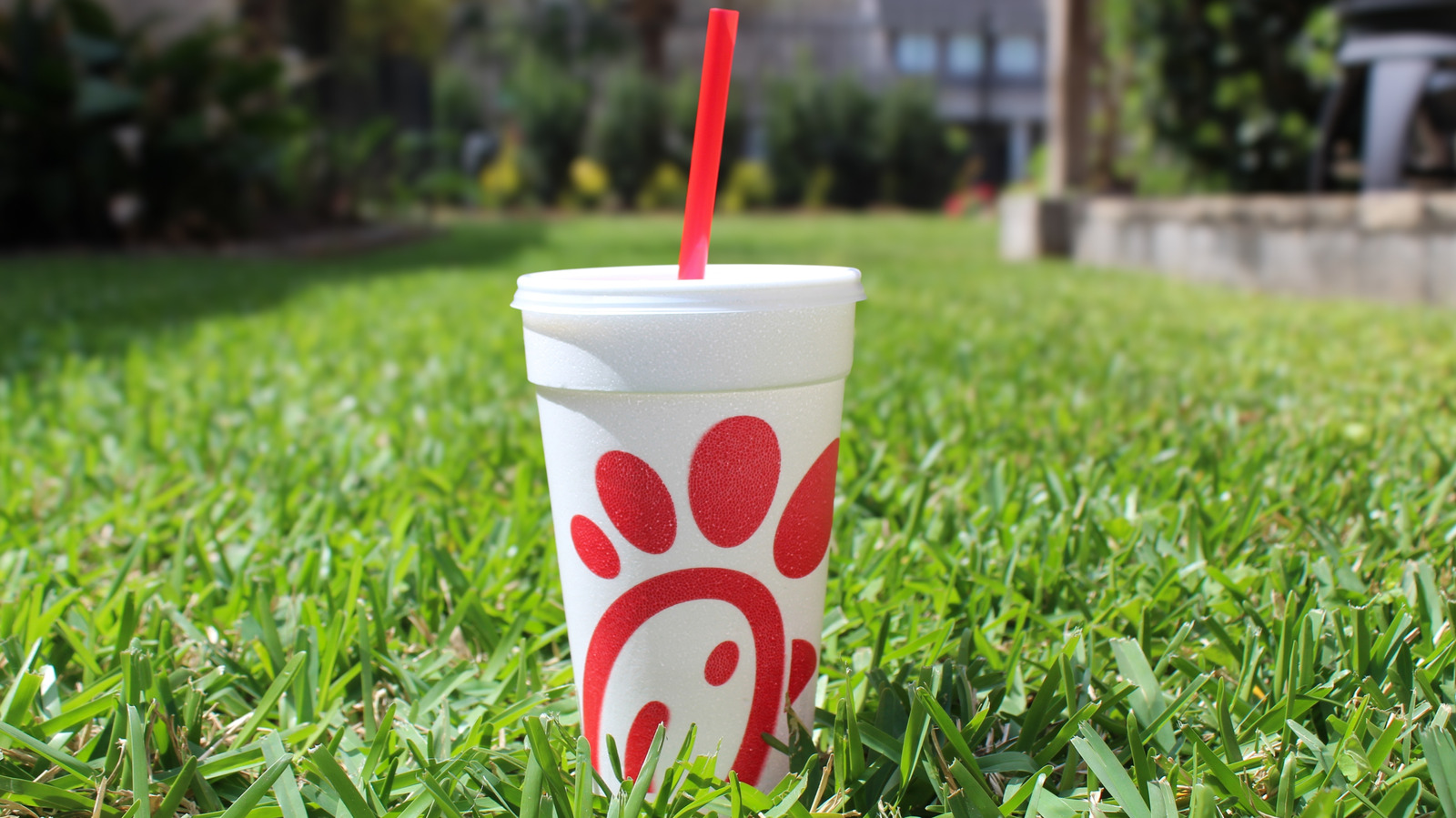
Chick-Fil-A's sweet tea occupies a peculiar position in fast-casual dining. The chain promotes its beverage as a fresh-brewed staple, conjuring images of Southern tradition and in-house preparation. Yet the reality operates differently across locations.
Most Chick-Fil-A restaurants receive pre-brewed tea concentrate shipped from distribution centers rather than brewing batches on-site. Individual franchises mix this concentrate with water and ice, a process that takes minutes rather than hours. The concentrate maintains consistency across the chain's 3,000-plus U.S. locations, ensuring every cup tastes identical whether you're in Atlanta or Alaska.
This approach prioritizes operational efficiency and standardization over authenticity. Fresh-brewed tea requires equipment, time, and labor that fast-casual service models cannot accommodate. By outsourcing brewing to centralized facilities, Chick-Fil-A reduces complexity for store managers while maintaining portion control and cost predictability.
The distinction matters for consumers seeking genuinely homemade beverages. Marketing language emphasizing "traditional" preparation creates an expectation that differs from actual production. Some independent restaurants and regional chains do brew tea on-site, but they sacrifice the speed and consistency that Chick-Fil-A's customers expect.
Chick-Fil-A's tea remains competitive on taste and price within the fast-casual category. The concentrate recipe itself likely contains quality ingredients, which explains customer loyalty to the product despite its industrial origins. Southern restaurants and chains like Sweet Tea Company have built reputations on actual in-store brewing, highlighting what consumers might perceive as a more authentic alternative.
The tea question reflects broader tensions in quick-service dining. Consumers increasingly desire transparency about food preparation methods, yet business models depend on centralization. Chick-Fil-A's approach works financially, but it reveals