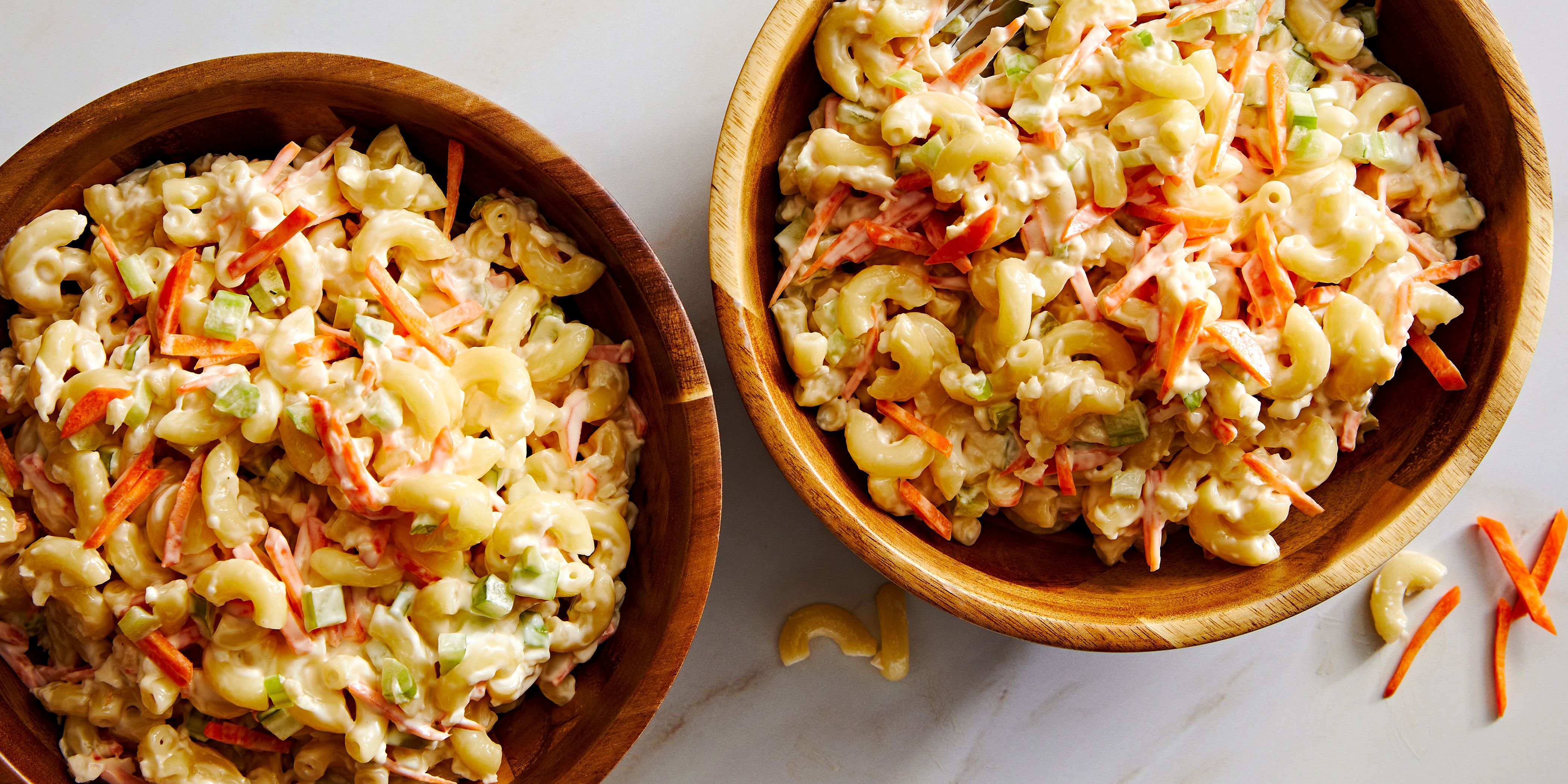
# Hawaiian Macaroni Salad Gains Ground Beyond Island Kitchens
Hawaiian macaroni salad has moved beyond potlucks and plate lunch counters to become a staple on mainland menus and home tables. The dish, a fixture of local Hawaiian food culture since the early 20th century, combines elbow pasta with Japanese-inspired ingredients like Japanese mayo and bonito flakes, creating a sweet, creamy side that differs sharply from mainland American mac salads.
The popularity stems from Hawaii's multicultural history. Japanese immigrants brought their culinary traditions to the islands, blending with existing Hawaiian and Portuguese influences. This fusion produced a distinctly Island version of macaroni salad. Canned pineapple often appears alongside the pasta, vegetables like carrots and onions, and a dressing heavier on mayo and sugar than typical stateside recipes.
Traditional versions come from local landmarks. Leonard's Bakery in Honolulu serves its rendition alongside malasadas. Sam Choy, the acclaimed Hawaiian chef, has championed the dish in restaurants across the islands and beyond. His recipes balance sweetness with savory elements, respecting the dish's origins while refining technique.
The salad's expansion reflects broader food trends. Diners increasingly seek authentic regional American cuisines, moving past homogenized chain menus. Hawaiian plate lunch culture, once consumed primarily within the islands, now attracts mainland attention through food media and social platforms. Restaurants in Los Angeles, San Francisco, and New York now feature Hawaiian macaroni salad prominently.
Home cooks appreciate its simplicity. The basic formula requires only pantry staples: pasta, mayo, vinegar, sugar, and vegetables. Many recipes call for Japanese Kewpie mayo instead of standard American brands, delivering richer umami notes and subtle tang. This swap alone transforms the dish from