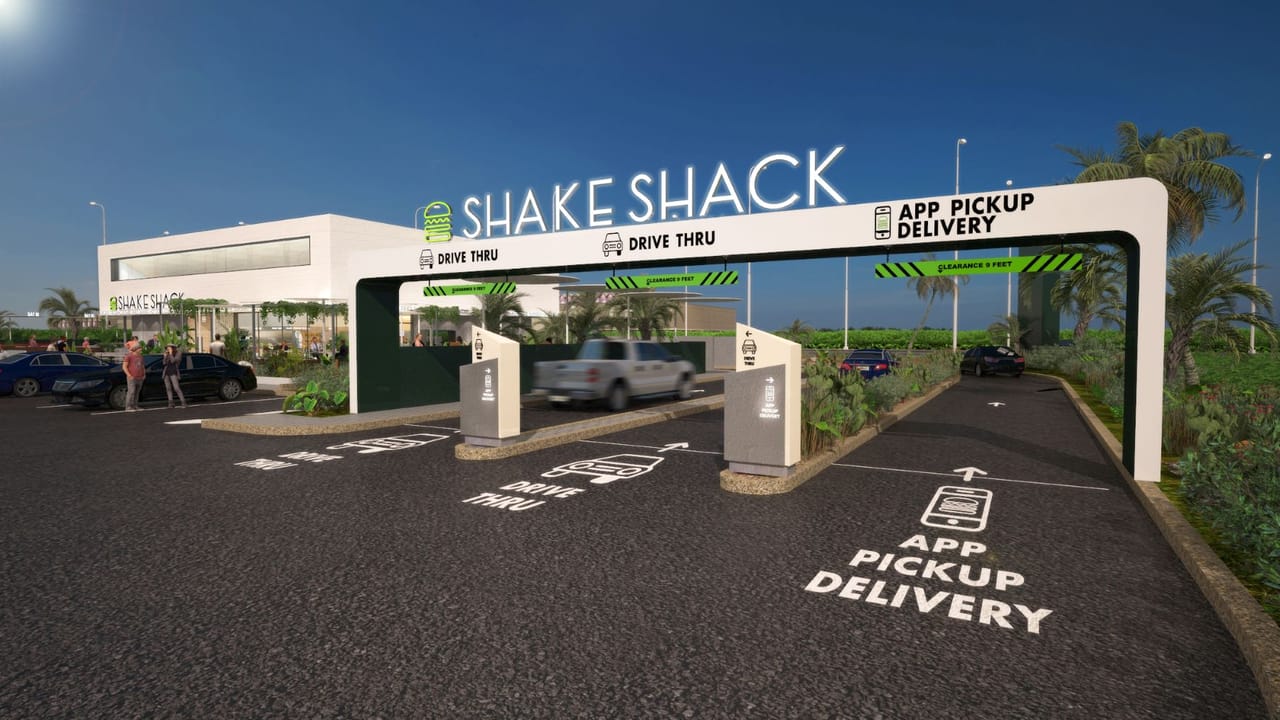
Shake Shack's stock collapsed more than 20 percent after the burger chain reported earnings that disappointed investors, despite posting 4.6 percent same-store sales growth.
The company missed revenue and earnings expectations. Two factors hammered results. Weather disrupted traffic at locations across the country. Beef costs surged, squeezing already-thin restaurant margins.
Same-store sales growth of 4.6 percent normally signals strength. But investors had priced in higher numbers. The gap between what the market expected and what Shake Shack delivered triggered the sharp selloff.
Beef inflation has tormented casual dining chains for months. Shake Shack sources premium beef for its Angus burgers, making the company more exposed to commodity swings than competitors relying on cheaper proteins. Rising costs cut into profits even as restaurants raised menu prices.
Weather proved equally unforgiving. Harsh conditions in key markets kept customers home, reducing foot traffic when the chain needed momentum to hit targets.
The stock plunge reflects investor anxiety about restaurant earnings broadly. Labor costs remain elevated. Consumer spending shows signs of fatigue. Chains that rely on premium positioning, like Shake Shack, face pressure from both sides of the P and L statement.
The company operates roughly 600 locations globally. It expanded aggressively during the post-pandemic recovery. That growth strategy now faces headwinds from operational challenges beyond management control.
Investors punished Shake Shack for missing on both top and bottom line, signaling that same-store sales growth alone no longer insulates burger chains from volatility. Premium positioning cannot offset systematic cost pressures and weather-driven traffic declines.
THE BOTTOM LINE: When weather and commodity costs hit simultaneously, even modest sales growth cannot prevent stock markets from repricing restaurant stocks downward.