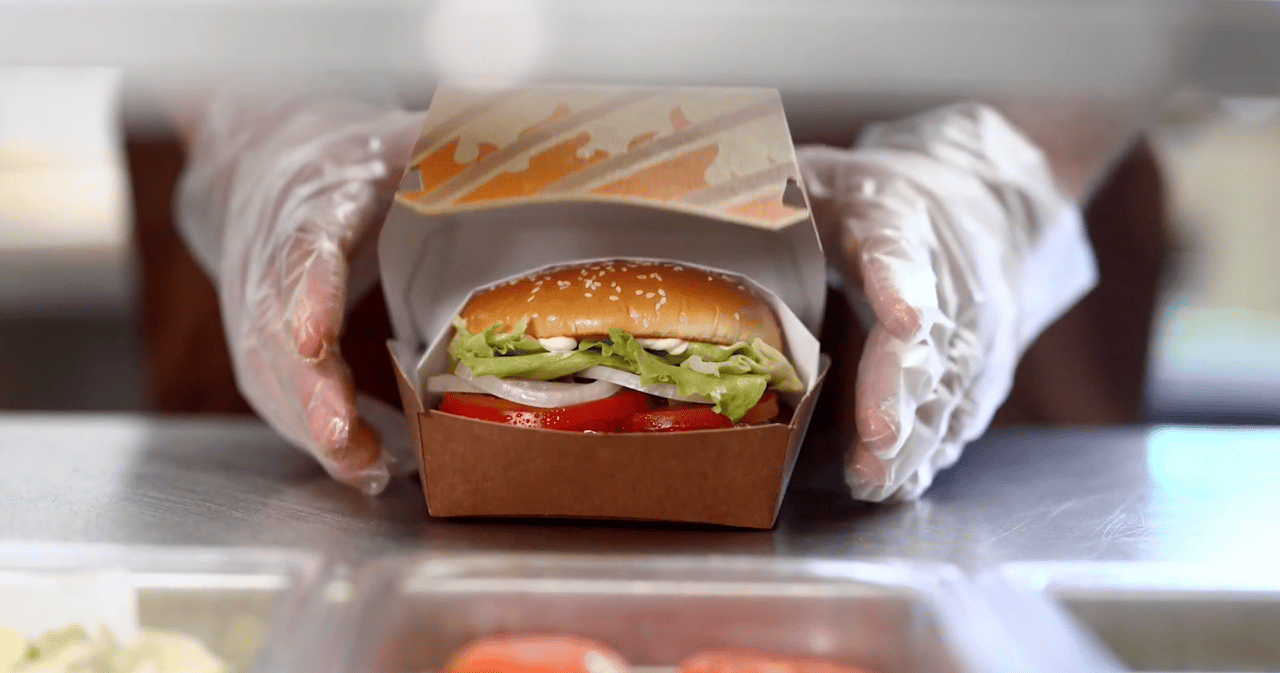
Burger King's turnaround accelerates while Popeyes falters under parent company Restaurant Brands International's watch. The flame-grilled burger chain posted same-store sales growth of 5.8%, capitalizing on a viral marketing campaign around improvements to its flagship Whopper sandwich. The momentum reflects successful positioning against fast-food competitors and renewed consumer interest in the chain's core product.
The contrast with Popeyes tells a different story. The chicken concept, also owned by RBI, continues losing sales momentum. Where Burger King found traction through product refinement and social media buzz, Popeyes struggles to maintain the explosive growth that followed its 2019 chicken sandwich launch. The brand saturated its market opportunity and faces intensifying competition from rivals including Chick-fil-A, KFC, and fast-casual upstarts capturing chicken-focused customers.
The divergence exposes RBI's uneven portfolio management. Burger King's success stems from clarity of purpose. The company identified its signature item needed updating, executed that change, and amplified it through digital channels that resonated with younger consumers. The Whopper improvement campaign generated organic conversation and drove foot traffic without requiring unsustainable promotional discounting.
Popeyes encountered a different challenge. After lightning-strike success with the chicken sandwich, the brand failed to evolve beyond that single moment. Market saturation set in. Competitors launched superior offerings or built stronger loyalty programs. The novelty wore off. Without a clear strategic direction beyond riding past momentum, Popeyes lost pricing power and customer attention.
For Restaurant Brands International, the results demand portfolio triage. Burger King's 5.8% growth shows the company can execute when strategy aligns with execution. That playbook now applies to stabilizing Popeyes, which requires fresh menu innovation and clearer brand positioning beyond nostalgia